How to Choose Commercial Fruit and Vegetable Cleaning Machines
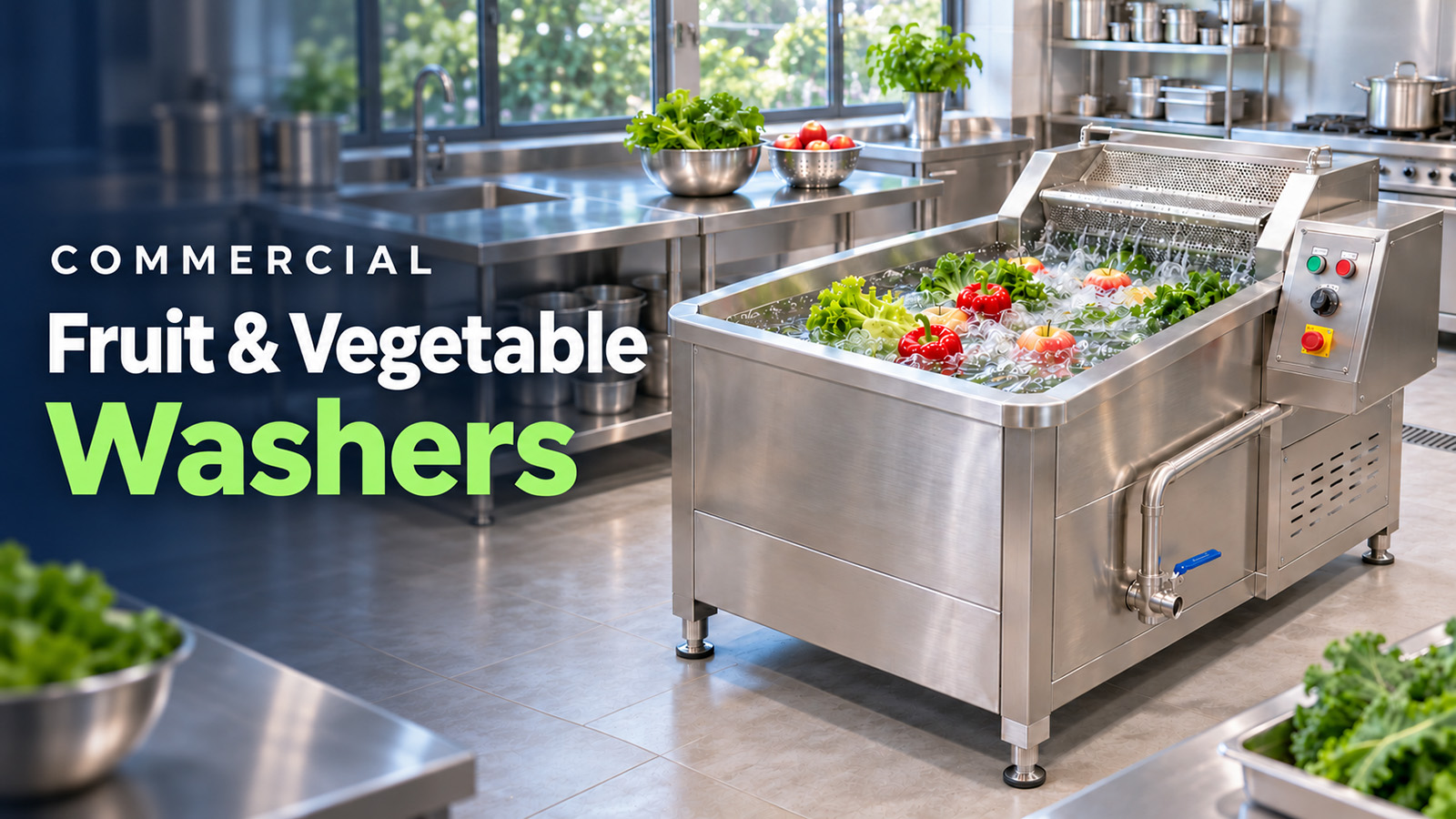
A hotel has two lunch functions starting 30 minutes apart. The salad team is waiting for washed lettuce, while banquet prep needs cucumbers, tomatoes, and herbs for cold platters. The produce washer is running, but lettuce is coming out faster than staff can drain it. There is no room for another tray on the clean bench, so the next load waits. On the production sheet, washing is a five-minute job. On the floor, the kitchen has to fit loading, draining, and tray handling around the same deadline.
Choose a commercial fruit and vegetable cleaning machine by matching the wash action to your produce, measuring how much usable output the kitchen needs before service, and checking how the machine fits between receiving and clean prep. A demonstration should show what happens from the moment staff open an incoming crate to the moment a clean tray reaches the next station.
Start with the produce on your menu
Build a shortlist from the products your team washes every week and the ones that cause the most work. For a hotel or catering kitchen, that might mean leafy greens for salads, firm vegetables for cooking, and ripe fruit for buffets. Note which items arrive with visible soil, which hold grit in folds or stems, and which are easily damaged. These differences tell you more about the wash action you need than a supplier’s general description of the machine.
- Bubble or water-agitation washers move produce through water to loosen debris. Trial them with lettuce and herbs, and check for trapped grit, torn leaves, and damage when staff lift or unload the batch.
- Brush washers use direct contact to loosen attached soil. Consider them for firm roots such as potatoes and carrots. Check for scuffing, soil left in crevices, and how easily staff can remove and clean the brushes.
- Spray washers rinse exposed surfaces through nozzles. They can suit firm produce or a final rinse stage. Trial a normal load and inspect surfaces where items touch or overlap.
Bring your own produce to the trial, including the variety and ripeness you normally buy. For ripe fruit, watch what happens at loading and discharge as closely as you watch the wash itself. A short drop into a collection tray or too much weight in a basket can affect the condition of the fruit by the time it reaches the buffet.
Work backwards from the service deadline
Suppose a catering kitchen needs 60 kg of washed, drained produce by 10 a.m. The station is available from 8:30 a.m., and the team expects to spend 20 minutes setting up and changing products. That leaves 70 minutes for production. The station must deliver about 52 kg per hour during that period, with staff able to load, wash, unload, and drain the produce at the required pace.
For a batch washer, time several complete cycles. Weigh what reaches the clean bench and set aside anything that needs rewashing or has been damaged. For a continuous washer, measure usable output at discharge with the feed rate your staff can sustain. In either case, record whether the operator had to stop to find clean trays, clear debris, or wait for the next station.
A restaurant with short prep runs and frequent menu changes may benefit from a batch machine that is quick to empty and reset. A central kitchen may have enough steady volume for a continuous washer, provided its draining and cutting stations can keep up. Compare both against the kitchen’s busiest schedule and the number of staff actually available on that shift.
Give washed produce a clear route to prep
Mark out the proposed station on the kitchen floor. Walk through it with a full incoming crate, an empty clean tray, and the trolley the team uses during prep. The exercise should show where crates wait, where staff set down washed produce, and whether they can move it to cutting or chilled holding without passing through the incoming produce and waste area.
Measure the space needed with the machine in use. A lid may open into a shelf, a basket may need room to swing out, or a filter may pull out on the side closest to a wall. Confirm where water and drainage connections will sit, where the team can handle wet trays, and whether a technician can access service panels without dismantling the surrounding bench.
If the washer recirculates water, ask the supplier to show how staff remove debris, monitor wash-water conditions, and refresh or replace the water under the site’s food safety procedures. Shared wash water can carry contamination between products. Check the controls for produce served raw with the person responsible for food safety, and assess them separately from whether a batch looks clean after washing.
Price the changeover as well as the machine
An overlooked cost appears when the kitchen switches products. After a soil-heavy run, staff may have to drain the tank, clear the filter, clean food-contact parts, and refill before the next batch. If the station needs that reset several times during prep, the water and labour add up, and the lost minutes can force the team back to the sink. Ask for a full changeover demonstration and time it with the access and staffing your kitchen will have.
Request water and electricity figures for the operating conditions you expect. Check the price and lead time of baskets, filters, nozzles, brushes, or belts that apply to the model. Find out which tasks your team can handle and which require service. A small part can delay a whole prep shift if it is difficult to reach or takes days to replace.
Set the trial criteria before comparing quotes
Give each supplier the same produce, batch sizes, and prep deadline. Run a sequence that reflects your menu and record the results with the chef or supervisor who will manage the station. Use those figures alongside the equipment price.
- Inspect the hardest-to-clean product for remaining soil or grit and the most delicate product for damage after draining.
- Weigh usable produce delivered to the clean bench and record how many staff were needed.
- Time a complete product changeover, including draining, cleaning, and refilling where required.
- Confirm the installed footprint, working clearances, utility connections, and service access.
Before approving a machine, ask the prep supervisor to schedule it into the next busy service on paper. Who loads it, where does each clean batch go, and when can the team reset the station? If the schedule depends on a bench that is already occupied or a cook who is usually assigned elsewhere, resolve that conflict before committing to the equipment.


GET A QUOTE
Tell us about your business requirement, one of our technical expert will be in touch with you soon..!
PROCEED
NEW PRODUCTS ALERTS