Why Production Lines Need Automatic Empty Pallet Stackers
In the fast-paced environment of modern manufacturing, efficiency, consistency, and reliability are paramount. One key area that often goes overlooked, but holds significant potential for improvement, is pallet management. Enter the realm of automatic empty pallet stackers. Let’s delve into why production lines are increasingly turning to this technology.
1. Increased Operational Efficiency
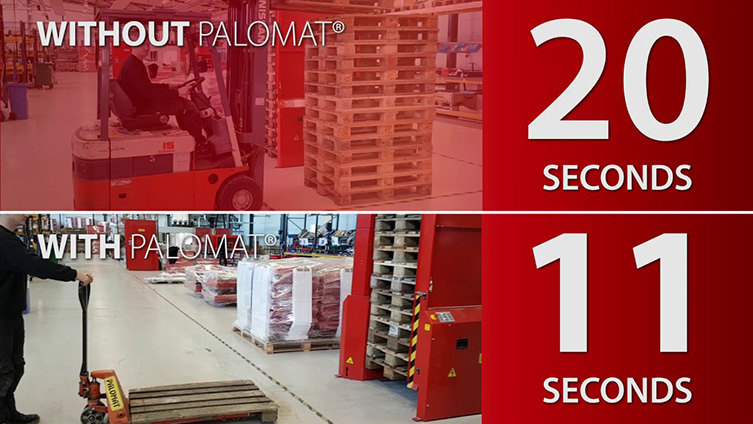
Manual handling of empty pallets can be time-consuming. Every minute spent by workers moving, stacking, or destacking pallets is a minute not spent on core production activities. Automatic pallet stackers streamline this process, reducing the time it takes to prepare or clear a production line.
2. Enhanced Safety
Safety is paramount in production environments. Manual handling of pallets poses risks: potential injuries from lifting heavy loads, tripping hazards, or mishaps with forklifts. Automatic pallet stackers minimize these risks, providing a safer workspace and reducing the potential for costly accidents.
3. Consistent Pallet Management
Manual stacking can result in irregular or unstable stacks, which might lead to damaged goods or workplace accidents. Automatic stackers ensure that each pallet is perfectly aligned, resulting in neat, stable stacks every time.
4. Space Optimization
Space is a premium in many production facilities. Automatic pallet stackers use vertical space efficiently, allowing for more compact storage. This optimized use of space can translate into savings on warehouse costs or the opportunity for expanded production activities.
5. Reducing Labor Costs
While there's an initial investment in acquiring and setting up an automatic pallet stacker, the long-term benefits in labor savings are evident. Fewer man-hours are needed for pallet handling, freeing up personnel for other tasks or potentially reducing labor costs.
6. Integration with Modern Technologies
Today's automatic empty pallet stackers can be integrated with other smart technologies, such as IoT devices or warehouse management systems. This connectivity ensures real-time tracking, analytics, and more efficient operations.
7. Improved Productivity
In the grand scheme of production, small delays can accumulate into significant downtime. By automating the process of pallet stacking and destacking, production lines can maintain a more consistent pace, leading to increased output.
8. Minimized Product Damage
Manual handling can sometimes result in damaged pallets, which in turn can damage the products they carry. Precise automation ensures that pallets are treated gently and consistently, reducing the chances of damage.
9. Environmental Benefits
Fewer damaged pallets mean less waste. Plus, with more efficient operations, energy consumption can be reduced. These factors contribute to a greener production process.
In an age where competition is fierce and margins are slim, industries must adopt technologies that offer efficiency and reliability. Automatic empty pallet stackers are more than just a convenience; they're a necessity for modern production lines aiming for optimization at every turn. Embracing such technologies not only ensures a smoother operational process but also paves the way for a more prosperous and sustainable future.
1. Increased Operational Efficiency
Manual handling of empty pallets can be time-consuming. Every minute spent by workers moving, stacking, or destacking pallets is a minute not spent on core production activities. Automatic pallet stackers streamline this process, reducing the time it takes to prepare or clear a production line.
2. Enhanced Safety
Safety is paramount in production environments. Manual handling of pallets poses risks: potential injuries from lifting heavy loads, tripping hazards, or mishaps with forklifts. Automatic pallet stackers minimize these risks, providing a safer workspace and reducing the potential for costly accidents.
3. Consistent Pallet Management
Manual stacking can result in irregular or unstable stacks, which might lead to damaged goods or workplace accidents. Automatic stackers ensure that each pallet is perfectly aligned, resulting in neat, stable stacks every time.
4. Space Optimization
Space is a premium in many production facilities. Automatic pallet stackers use vertical space efficiently, allowing for more compact storage. This optimized use of space can translate into savings on warehouse costs or the opportunity for expanded production activities.
5. Reducing Labor Costs
While there's an initial investment in acquiring and setting up an automatic pallet stacker, the long-term benefits in labor savings are evident. Fewer man-hours are needed for pallet handling, freeing up personnel for other tasks or potentially reducing labor costs.
6. Integration with Modern Technologies
Today's automatic empty pallet stackers can be integrated with other smart technologies, such as IoT devices or warehouse management systems. This connectivity ensures real-time tracking, analytics, and more efficient operations.
7. Improved Productivity
In the grand scheme of production, small delays can accumulate into significant downtime. By automating the process of pallet stacking and destacking, production lines can maintain a more consistent pace, leading to increased output.
8. Minimized Product Damage
Manual handling can sometimes result in damaged pallets, which in turn can damage the products they carry. Precise automation ensures that pallets are treated gently and consistently, reducing the chances of damage.
9. Environmental Benefits
Fewer damaged pallets mean less waste. Plus, with more efficient operations, energy consumption can be reduced. These factors contribute to a greener production process.
In an age where competition is fierce and margins are slim, industries must adopt technologies that offer efficiency and reliability. Automatic empty pallet stackers are more than just a convenience; they're a necessity for modern production lines aiming for optimization at every turn. Embracing such technologies not only ensures a smoother operational process but also paves the way for a more prosperous and sustainable future.


GET A QUOTE
Tell us about your business requirement, one of our technical expert will be in touch with you soon..!
PROCEED
NEW PRODUCTS ALERTS