Improving Pallet Movement Efficiency in Expanding Warehouse Facilities
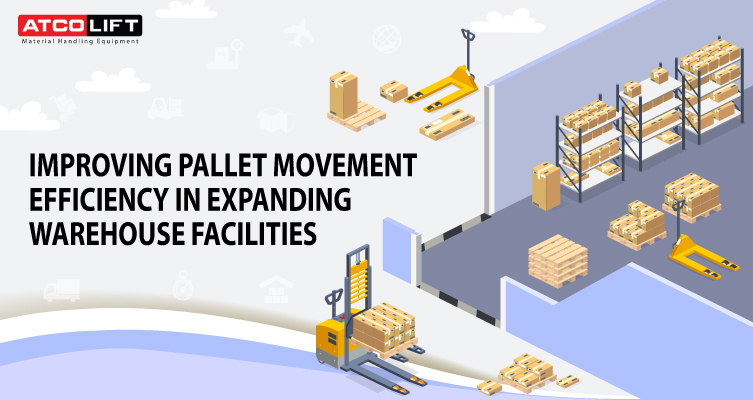
Warehouse networks across the UAE, Saudi Arabia, Oman and nearby GCC markets have been expanding rapidly. Distribution hubs, cold storage sites, and industrial supply depots are handling more palletized cargo than ever before. As storage heights increase and aisle widths tighten, pallet movement becomes a daily operational challenge. Small delays during lifting, stacking, or retrieval may appear minor, yet they accumulate across hundreds of cycles each day.
Manual handling limitations, uneven load placement, and slow pallet transfer between zones often reduce throughput. Workers become fatigued faster in hot warehouse environments. Equipment congestion develops near loading bays. These conditions gradually lower productivity while increasing the chance of safety incidents.
Efficient pallet movement is therefore not only a logistics concern. It directly influences labor utilization, operational stability, and facility expansion planning. When warehouses adopt structured pallet stacking systems and reliable material handling equipment, daily movement becomes smoother and far more predictable.
Why Pallet Movement Efficiency Matters in Expanding Warehouses
Warehouse expansion rarely means simply adding more space. In most GCC facilities, expansion also means higher racking, denser storage layouts, and increased inbound shipments linked to international trade. Import-heavy supply chains demand continuous pallet flow between receiving docks, staging zones, and storage racks.
When pallet movement slows down, several operational issues appear simultaneously:
Understanding the Role of Stackers in Warehouse Operations
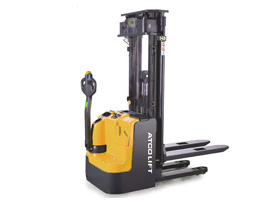
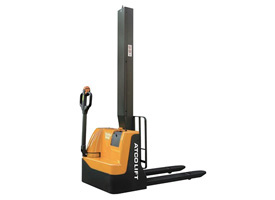
Stackers play a specialized role in pallet movement. They bridge the gap between manual pallet jacks and large forklifts. In warehouses where aisle widths are restricted or pallet loads must be placed on mid-height racks, stackers provide precise lifting and controlled transport.
Unlike heavy forklifts designed for long-distance movement, stackers focus on vertical handling and short-range pallet positioning. Operators can lift loads safely, align them with rack beams, and stack goods in compact storage areas without requiring large turning space.
Modern electric and pedestrian stackers are commonly used in:
Operational Factors That Influence Pallet Movement Efficiency
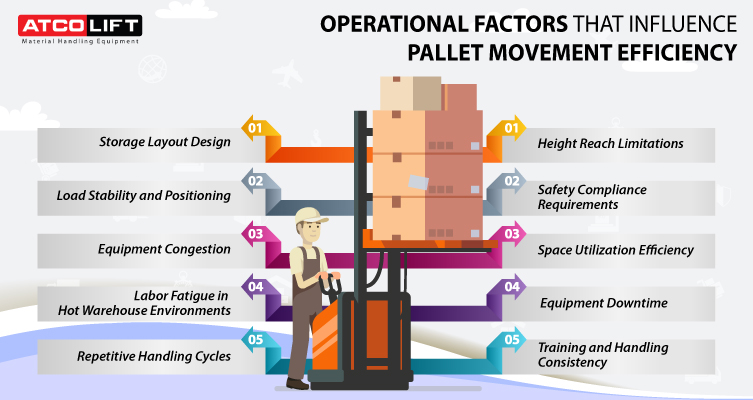 Warehouse teams often assume that pallet movement problems originate from equipment limitations alone. In practice, several operational variables influence efficiency.
1. Storage Layout Design
Poorly planned racking layouts restrict movement paths. When aisles become narrow without suitable handling equipment, operators spend more time repositioning loads. Stackers designed for compact aisles help maintain smoother pallet access.
2. Load Stability and Positioning
Improperly balanced pallets slow down stacking operations. Operators must adjust loads manually before lifting, which increases cycle time and safety risk. Stable pallet handling systems reduce repeated adjustments.
3. Equipment Congestion
Warehouses that rely only on forklifts for all tasks often experience traffic congestion. Stackers allow smaller pallet transfers in tight areas while forklifts manage larger transport movements.
4. Labor Fatigue in Hot Warehouse Environments
Many GCC facilities operate in regions where ambient temperatures are high for much of the year. Continuous manual lifting leads to faster fatigue and reduced productivity. Powered stackers reduce physical strain on operators.
5. Repetitive Handling Cycles
Production and order fulfillment zones frequently involve repetitive pallet movements between short distances. Stackers support these repetitive tasks more efficiently than large forklifts.
6. Height Reach Limitations
As warehouse racks become taller, manual pallet stacking becomes unrealistic. Controlled lifting mechanisms allow operators to position pallets safely at higher rack levels.
7. Safety Compliance Requirements
Warehouse safety regulations across the GCC emphasize controlled load movement and operator stability. Proper stacking equipment helps maintain safer operations during daily handling tasks.
8. Space Utilization Efficiency
Facilities aiming to maximize cubic storage capacity often narrow aisle widths to fit additional racks. Stackers are well suited for these compact layouts.
9. Equipment Downtime
Overreliance on a small number of forklifts can create operational bottlenecks when maintenance or battery charging interrupts availability. Introducing complementary equipment such as stackers improves operational resilience.
10. Training and Handling Consistency
Equipment that is simple to operate encourages consistent pallet handling practices. Predictable lifting control reduces load misalignment and accidental product damage.
Common Mistakes Warehouses Make When Managing Pallet Movement
Even experienced warehouse operators occasionally overlook several factors that reduce pallet handling efficiency.
Gradual operational adjustments often resolve these challenges. Introducing stackers into specific handling zones can reduce equipment congestion while improving pallet positioning accuracy.
Supporting Reliable Warehouse Handling Operations
Material handling equipment must adapt to changing warehouse demands. Facilities across the GCC are continuously expanding to accommodate regional trade growth, e-commerce distribution, and manufacturing supply chains.
In such environments, consistent pallet movement becomes essential to maintaining operational stability. Equipment that supports controlled lifting, compact maneuverability, and safe stacking contributes directly to improved warehouse workflow.
Solutions such as electric and pedestrian Stackers supplied by ATCOLIFT are commonly used in facilities that require reliable pallet positioning without relying solely on large forklifts. These systems assist operators in maintaining steady pallet flow across compact storage zones while reducing manual strain during repetitive handling tasks.
Closing Perspective for Warehouse Decision-Makers
Warehouse expansion across the GCC will continue as regional trade networks strengthen and distribution centers grow larger. Handling volumes will increase, storage heights will rise, and labor efficiency will remain a critical operational concern.
Pallet movement efficiency therefore deserves careful attention during warehouse planning and equipment selection. Facilities that invest in structured stacking systems and balanced material handling fleets often experience smoother workflows, improved safety conditions, and better control over daily pallet operations.
Reliable stacking equipment will not solve every logistics challenge, yet it plays a fundamental role in supporting stable warehouse performance as facilities continue to scale.
Manual handling limitations, uneven load placement, and slow pallet transfer between zones often reduce throughput. Workers become fatigued faster in hot warehouse environments. Equipment congestion develops near loading bays. These conditions gradually lower productivity while increasing the chance of safety incidents.
Efficient pallet movement is therefore not only a logistics concern. It directly influences labor utilization, operational stability, and facility expansion planning. When warehouses adopt structured pallet stacking systems and reliable material handling equipment, daily movement becomes smoother and far more predictable.
Why Pallet Movement Efficiency Matters in Expanding Warehouses
Warehouse expansion rarely means simply adding more space. In most GCC facilities, expansion also means higher racking, denser storage layouts, and increased inbound shipments linked to international trade. Import-heavy supply chains demand continuous pallet flow between receiving docks, staging zones, and storage racks.
When pallet movement slows down, several operational issues appear simultaneously:
- Congestion near loading docks and staging lanes
- Increased waiting time for forklifts and operators
- Higher risk of pallet instability during manual repositioning
- Delays in replenishment for production or order picking
- Additional labor hours required to complete routine handling tasks
Understanding the Role of Stackers in Warehouse Operations
Stackers play a specialized role in pallet movement. They bridge the gap between manual pallet jacks and large forklifts. In warehouses where aisle widths are restricted or pallet loads must be placed on mid-height racks, stackers provide precise lifting and controlled transport.
Unlike heavy forklifts designed for long-distance movement, stackers focus on vertical handling and short-range pallet positioning. Operators can lift loads safely, align them with rack beams, and stack goods in compact storage areas without requiring large turning space.
Modern electric and pedestrian stackers are commonly used in:
- Retail distribution warehouses
- Food and beverage storage facilities
- Manufacturing production zones
- Spare parts and industrial supply depots
- Cold storage and temperature-controlled environments
Operational Factors That Influence Pallet Movement Efficiency
1. Storage Layout Design
Poorly planned racking layouts restrict movement paths. When aisles become narrow without suitable handling equipment, operators spend more time repositioning loads. Stackers designed for compact aisles help maintain smoother pallet access.
2. Load Stability and Positioning
Improperly balanced pallets slow down stacking operations. Operators must adjust loads manually before lifting, which increases cycle time and safety risk. Stable pallet handling systems reduce repeated adjustments.
3. Equipment Congestion
Warehouses that rely only on forklifts for all tasks often experience traffic congestion. Stackers allow smaller pallet transfers in tight areas while forklifts manage larger transport movements.
4. Labor Fatigue in Hot Warehouse Environments
Many GCC facilities operate in regions where ambient temperatures are high for much of the year. Continuous manual lifting leads to faster fatigue and reduced productivity. Powered stackers reduce physical strain on operators.
5. Repetitive Handling Cycles
Production and order fulfillment zones frequently involve repetitive pallet movements between short distances. Stackers support these repetitive tasks more efficiently than large forklifts.
6. Height Reach Limitations
As warehouse racks become taller, manual pallet stacking becomes unrealistic. Controlled lifting mechanisms allow operators to position pallets safely at higher rack levels.
7. Safety Compliance Requirements
Warehouse safety regulations across the GCC emphasize controlled load movement and operator stability. Proper stacking equipment helps maintain safer operations during daily handling tasks.
8. Space Utilization Efficiency
Facilities aiming to maximize cubic storage capacity often narrow aisle widths to fit additional racks. Stackers are well suited for these compact layouts.
9. Equipment Downtime
Overreliance on a small number of forklifts can create operational bottlenecks when maintenance or battery charging interrupts availability. Introducing complementary equipment such as stackers improves operational resilience.
10. Training and Handling Consistency
Equipment that is simple to operate encourages consistent pallet handling practices. Predictable lifting control reduces load misalignment and accidental product damage.
Common Mistakes Warehouses Make When Managing Pallet Movement
Even experienced warehouse operators occasionally overlook several factors that reduce pallet handling efficiency.
- Using oversized forklifts in narrow storage areas
- Relying heavily on manual pallet repositioning
- Ignoring operator fatigue during repetitive handling tasks
- Expanding storage height without updating lifting equipment
- Overlooking traffic flow planning between receiving and storage zones
Gradual operational adjustments often resolve these challenges. Introducing stackers into specific handling zones can reduce equipment congestion while improving pallet positioning accuracy.
Supporting Reliable Warehouse Handling Operations
Material handling equipment must adapt to changing warehouse demands. Facilities across the GCC are continuously expanding to accommodate regional trade growth, e-commerce distribution, and manufacturing supply chains.
In such environments, consistent pallet movement becomes essential to maintaining operational stability. Equipment that supports controlled lifting, compact maneuverability, and safe stacking contributes directly to improved warehouse workflow.
Solutions such as electric and pedestrian Stackers supplied by ATCOLIFT are commonly used in facilities that require reliable pallet positioning without relying solely on large forklifts. These systems assist operators in maintaining steady pallet flow across compact storage zones while reducing manual strain during repetitive handling tasks.
Closing Perspective for Warehouse Decision-Makers
Warehouse expansion across the GCC will continue as regional trade networks strengthen and distribution centers grow larger. Handling volumes will increase, storage heights will rise, and labor efficiency will remain a critical operational concern.
Pallet movement efficiency therefore deserves careful attention during warehouse planning and equipment selection. Facilities that invest in structured stacking systems and balanced material handling fleets often experience smoother workflows, improved safety conditions, and better control over daily pallet operations.
Reliable stacking equipment will not solve every logistics challenge, yet it plays a fundamental role in supporting stable warehouse performance as facilities continue to scale.


GET A QUOTE
Tell us about your business requirement, one of our technical expert will be in touch with you soon..!
PROCEED
NEW PRODUCTS ALERTS