How to Choose the Right Meat Processing Equipment for Your Business Needs

The meat processing industry is an intricate and technical field that requires the right tools to maintain efficiency, safety, and quality. Selecting the best equipment is essential to streamline your operations and deliver the finest products to your customers. Here's a guide to help you choose the right meat processing equipment for your business needs.
1. Understand Your Business Needs
Type of Meat Processed: Different meats, like poultry, pork, and beef, may require specialized equipment. Determine the primary type of meat you’ll be processing.
Production Volume: Estimate the quantity of meat you'll be processing daily, weekly, or monthly. Your equipment should cater to this volume without becoming a bottleneck.
Products Offered: Consider whether you're producing sausages, patties, cuts, or other meat products. Each product may need different machines or tools.
2. Prioritize Quality and Durability
Look for equipment built with:
Ensure that the machinery fits your workspace. Overcrowding can create inefficiencies and safety hazards.
4. Ease of Maintenance and Cleaning
The meat industry has stringent hygiene standards. Select equipment that:
5. Check Energy Efficiency
Energy-efficient equipment can significantly reduce operating costs in the long run. Look for machines with:
6. Look for Safety Features
Safety should be a priority. Ensure that your equipment has:
7. Consider Automation and Technology Integration
Automated equipment can:
8. Set a Budget but Be Flexible
While it's essential to have a budget in mind, don’t compromise on quality for a slightly lower price. Remember, equipment that breaks down frequently can be costlier in the long run due to repair costs and production delays.
9. Seek Recommendations and Read Reviews
Engage with other business owners in the meat processing industry. Their experience can provide invaluable insights. Also, read online reviews and customer testimonials.
10. Test Before You Invest
If possible, ask the supplier for a demonstration or trial period. Testing the equipment ensures it's the right fit for your needs and gives you a feel of its operation and efficiency.
11. Warranty and Post-Purchase Support
A robust warranty can save you from unforeseen expenses. Also, choose suppliers who provide excellent post-purchase support, be it in the form of training, maintenance, or part replacements.
Selecting the right meat processing equipment is a significant investment that can make or break your business operations. By following the above guidelines, you can ensure that you are well-equipped to deliver quality products efficiently and safely. As the meat processing industry continues to evolve, staying informed about the latest technologies and best practices will further ensure the success and growth of your business.
1. Understand Your Business Needs
Type of Meat Processed: Different meats, like poultry, pork, and beef, may require specialized equipment. Determine the primary type of meat you’ll be processing.
Production Volume: Estimate the quantity of meat you'll be processing daily, weekly, or monthly. Your equipment should cater to this volume without becoming a bottleneck.
Products Offered: Consider whether you're producing sausages, patties, cuts, or other meat products. Each product may need different machines or tools.
2. Prioritize Quality and Durability
Look for equipment built with:
- High-grade stainless steel which is corrosion-resistant, durable, and easy to clean.
- Sturdy construction to withstand the wear and tear of daily operations.
ATCO Butchery / Meat Processing Equipment:
Meat Slicers
Bone Saw
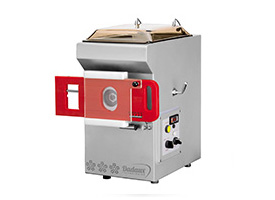
Meat Mincers
Meat Cutters
Meat Stuffers
Meat Mixers
Patty Formers
3. Consider the Size and Space
Meat Slicers
Bone Saw
Meat Mincers
Meat Cutters
Meat Stuffers
Meat Mixers
Patty Formers
Ensure that the machinery fits your workspace. Overcrowding can create inefficiencies and safety hazards.
4. Ease of Maintenance and Cleaning
The meat industry has stringent hygiene standards. Select equipment that:
- Can be easily dismantled and cleaned.
- Has smooth surfaces to prevent meat particles and bacteria from hiding.
- Is compatible with standard cleaning agents and procedures.
5. Check Energy Efficiency
Energy-efficient equipment can significantly reduce operating costs in the long run. Look for machines with:
- Energy-saving features.
- High-quality motors that consume less power.
6. Look for Safety Features
Safety should be a priority. Ensure that your equipment has:
- Emergency stop buttons.
- Safety guards.
- Anti-slip surfaces.
- Lockout/tagout capabilities.
7. Consider Automation and Technology Integration
Automated equipment can:
- Increase efficiency.
- Reduce labor costs.
- Minimize human error.
- Integrate with other systems in your production line for smoother operations.
8. Set a Budget but Be Flexible
While it's essential to have a budget in mind, don’t compromise on quality for a slightly lower price. Remember, equipment that breaks down frequently can be costlier in the long run due to repair costs and production delays.
9. Seek Recommendations and Read Reviews
Engage with other business owners in the meat processing industry. Their experience can provide invaluable insights. Also, read online reviews and customer testimonials.
10. Test Before You Invest
If possible, ask the supplier for a demonstration or trial period. Testing the equipment ensures it's the right fit for your needs and gives you a feel of its operation and efficiency.
11. Warranty and Post-Purchase Support
A robust warranty can save you from unforeseen expenses. Also, choose suppliers who provide excellent post-purchase support, be it in the form of training, maintenance, or part replacements.
Selecting the right meat processing equipment is a significant investment that can make or break your business operations. By following the above guidelines, you can ensure that you are well-equipped to deliver quality products efficiently and safely. As the meat processing industry continues to evolve, staying informed about the latest technologies and best practices will further ensure the success and growth of your business.


GET A QUOTE
Tell us about your business requirement, one of our technical expert will be in touch with you soon..!
PROCEED
NEW PRODUCTS ALERTS