A Guide to Choosing the Right Capping Machine for Your Food Production Line
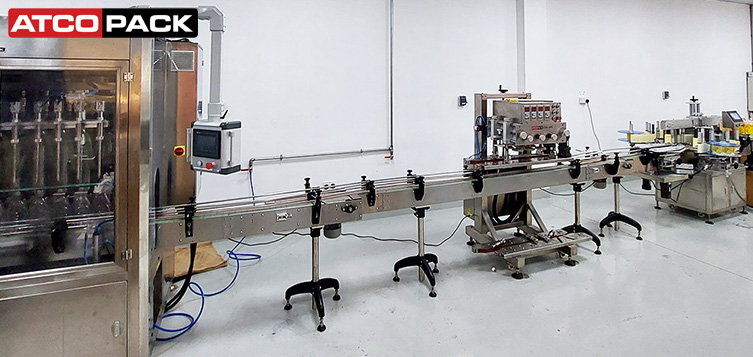
In the bustling landscape of the food industry, ensuring the preservation, freshness, and safety of products is paramount. A significant component of this process is the act of sealing or capping containers. Whether you're bottling artisanal olive oil, sealing jars of organic jam, or packaging a new line of beverages, the right capping machine can make all the difference. Here’s a guide to aid in choosing the perfect fit for your food production line.
1. Understand Your Needs:
Begin by identifying the specific requirements of your product:
2. Evaluate the Production Capacity:
4. Consider Maintenance & Longevity:
5. Dive into Advanced Features:
With technology ever-evolving, many modern capping machines come with advanced features:
6. Cost-effectiveness & ROI:
While the initial investment is essential, also consider the long-term return on investment. A machine that reduces wastage, minimizes damaged products, and maximizes efficiency can offer greater value over time.
7. Feedback & Reviews:
Always consider feedback from other food producers. Their experiences can provide insights into machine reliability, efficiency, and post-sales service.
Choosing the right capping machine is a balance of understanding your product's unique needs and aligning them with the features of the machine. The correct machine can not only increase production efficiency but also ensure the prolonged freshness and safety of your food items. As the food industry continues to grow and evolve, having reliable and efficient equipment like a suitable capping machine will be a cornerstone of success.
1. Understand Your Needs:
Begin by identifying the specific requirements of your product:
- Volume & Size: Are you packaging a range of bottle sizes or focusing on a singular size?
- Material: Are your containers made of glass, plastic, or another material? Different materials might necessitate different sealing pressures or techniques.
- Cap Type: From twist-off caps, aluminum seals, to induction caps, the type of cap you use will influence your choice of machine.
2. Evaluate the Production Capacity:
- Scale of Operation: For smaller operations or boutique brands, a manual or semi-automatic machine might suffice. Larger operations might require fully automated machines to keep up with the demand.
- Speed: Check the bottles-per-hour (bph) rate of potential machines. Ensure it aligns with your production goals.
ATCOPACK Capping Machines:
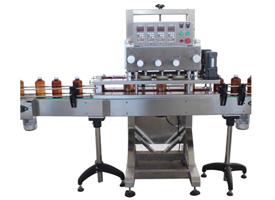
Linear Capping Machine for Plastic Caps
Press Capping Machine for Plastic Caps
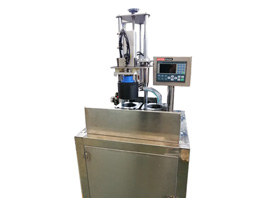
Semi Auto Glass Jar Metal Twist Capper with Vacuum Function
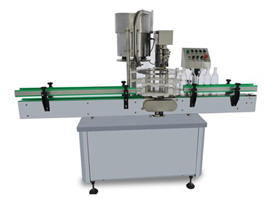
Automatic Glass Jar Metal Twist Capper with Vacuum Function
Single Head Capping Machine for Plastic Caps
Aluminum Screw Capping Machine
Online Induction Cap Sealing Machine
3. Examine Integration Capabilities:Linear Capping Machine for Plastic Caps
Press Capping Machine for Plastic Caps
Semi Auto Glass Jar Metal Twist Capper with Vacuum Function
Automatic Glass Jar Metal Twist Capper with Vacuum Function
Single Head Capping Machine for Plastic Caps
Aluminum Screw Capping Machine
Online Induction Cap Sealing Machine
- Adaptability: Can the machine be integrated into your existing production line with minimal adjustments?
- Flexibility: Look for machines that can handle a range of cap sizes or bottle types if you plan on expanding your product range in the future.
4. Consider Maintenance & Longevity:
- Durability: Opt for machines built with robust materials, like stainless steel, to ensure longevity and hygiene.
- Maintenance: Check if the machine is easy to clean, maintain, and if parts are readily available.
5. Dive into Advanced Features:
With technology ever-evolving, many modern capping machines come with advanced features:
- Pneumatic Control Systems: These offer precision and efficiency, especially important for fragile containers or delicate food products.
- Balancer in Manual Cappers: Reduces manual effort, ensuring consistent sealing pressure across batches.
- Vacuum Functions: For products that require an airtight seal, machines with vacuum functions ensure longer shelf life by removing air from the container before sealing.
6. Cost-effectiveness & ROI:
While the initial investment is essential, also consider the long-term return on investment. A machine that reduces wastage, minimizes damaged products, and maximizes efficiency can offer greater value over time.
7. Feedback & Reviews:
Always consider feedback from other food producers. Their experiences can provide insights into machine reliability, efficiency, and post-sales service.
Choosing the right capping machine is a balance of understanding your product's unique needs and aligning them with the features of the machine. The correct machine can not only increase production efficiency but also ensure the prolonged freshness and safety of your food items. As the food industry continues to grow and evolve, having reliable and efficient equipment like a suitable capping machine will be a cornerstone of success.


GET A QUOTE
Tell us about your business requirement, one of our technical expert will be in touch with you soon..!
PROCEED
NEW PRODUCTS ALERTS