Automating Product Movement: The Benefits of Conveyor Systems
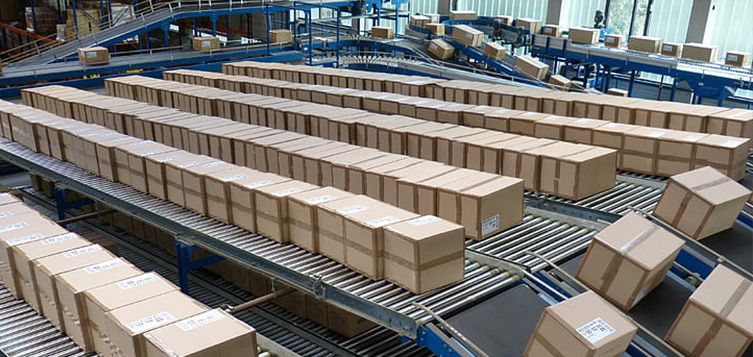
In the realm of industrial operations and logistics, the movement of products is a critical element. Conveyor systems, long a staple in various industries, have evolved considerably, becoming an essential tool in the automation of product movement. These systems not only enhance efficiency but also bring a multitude of benefits to the table. Let’s delve into how conveyor systems are revolutionizing product movement and the myriad advantages they offer.
1. Increased Efficiency and Productivity:
Conveyor systems streamline the process of moving goods from one point to another within a facility. By automating this movement, they significantly reduce the time and manpower required compared to manual handling. This increase in efficiency directly translates to higher productivity, allowing for more goods to be processed in less time.
2. Improved Worker Safety:
Manual handling of products, especially heavy or bulky items, poses a risk of workplace injuries. Conveyor systems minimize this risk by handling the heavy lifting, reducing the strain on workers and lowering the likelihood of work-related injuries. This not only benefits the workers’ health but can also lead to reduced costs related to workplace injuries and insurance.
3. Enhanced Accuracy and Consistency:
Automated conveyor systems offer a high level of precision in product handling. Whether it’s sorting, aligning, or packaging, these systems ensure that each action is performed consistently and accurately, which is crucial in maintaining quality control and reducing error rates.
4. Scalability and Flexibility:
Modern conveyor systems are designed to be scalable and flexible. They can be adapted and expanded to meet changing production needs, making them an excellent investment for businesses that anticipate growth or changes in their operational processes.
5. Reduced Operational Costs:
While the initial investment in a conveyor system might be significant, the long-term savings are substantial. Reduced labor costs, fewer errors, lower injury-related expenses, and increased productivity all contribute to a significant reduction in overall operational costs.
6. Better Product Handling:
Conveyor systems are designed to handle products gently, reducing the chances of damage during movement. This is particularly beneficial in industries where products are fragile or need to be maintained in pristine condition.
7. Optimized Space Utilization:
Conveyors can be designed to fit various spaces and can utilize vertical space that would otherwise go unused. This optimal use of space is crucial, especially in facilities where floor space is a premium resource.
The integration of conveyor systems into product movement processes marks a significant leap forward in industrial efficiency and productivity. These systems offer a blend of safety, accuracy, and cost-effectiveness, making them an indispensable part of modern manufacturing and logistics operations. As technology continues to advance, we can expect even more innovative and efficient conveyor solutions, further enhancing their role in automating product movement.
1. Increased Efficiency and Productivity:
Conveyor systems streamline the process of moving goods from one point to another within a facility. By automating this movement, they significantly reduce the time and manpower required compared to manual handling. This increase in efficiency directly translates to higher productivity, allowing for more goods to be processed in less time.
2. Improved Worker Safety:
Manual handling of products, especially heavy or bulky items, poses a risk of workplace injuries. Conveyor systems minimize this risk by handling the heavy lifting, reducing the strain on workers and lowering the likelihood of work-related injuries. This not only benefits the workers’ health but can also lead to reduced costs related to workplace injuries and insurance.
3. Enhanced Accuracy and Consistency:
Automated conveyor systems offer a high level of precision in product handling. Whether it’s sorting, aligning, or packaging, these systems ensure that each action is performed consistently and accurately, which is crucial in maintaining quality control and reducing error rates.
4. Scalability and Flexibility:
Modern conveyor systems are designed to be scalable and flexible. They can be adapted and expanded to meet changing production needs, making them an excellent investment for businesses that anticipate growth or changes in their operational processes.
5. Reduced Operational Costs:
While the initial investment in a conveyor system might be significant, the long-term savings are substantial. Reduced labor costs, fewer errors, lower injury-related expenses, and increased productivity all contribute to a significant reduction in overall operational costs.
6. Better Product Handling:
Conveyor systems are designed to handle products gently, reducing the chances of damage during movement. This is particularly beneficial in industries where products are fragile or need to be maintained in pristine condition.
7. Optimized Space Utilization:
Conveyors can be designed to fit various spaces and can utilize vertical space that would otherwise go unused. This optimal use of space is crucial, especially in facilities where floor space is a premium resource.
The integration of conveyor systems into product movement processes marks a significant leap forward in industrial efficiency and productivity. These systems offer a blend of safety, accuracy, and cost-effectiveness, making them an indispensable part of modern manufacturing and logistics operations. As technology continues to advance, we can expect even more innovative and efficient conveyor solutions, further enhancing their role in automating product movement.


GET A QUOTE
Tell us about your business requirement, one of our technical expert will be in touch with you soon..!
PROCEED
NEW PRODUCTS ALERTS