Cutting Costs with Smart Flow Wrapper Systems
Why Accurate Data Matters in Modern GCC Warehouses
Across the UAE, Saudi Arabia, and Oman, manufacturing and distribution facilities are expanding at a pace few expected five years ago. New industrial zones are coming up, warehouse footprints are increasing, and cross-border trade within the region continues to grow. At the same time, operating costs are rising. Freight billing disputes, space miscalculation, manual measurement errors, and compliance gaps quietly erode margins.
In many facilities, the packaging area becomes a pressure point. When a flow wrapper runs inconsistently, when pack dimensions vary, or when output data is unclear, downstream logistics suffer. Incorrect carton sizing affects freight rates. Poor visibility into pack dimensions creates storage inefficiencies. Over time, small inaccuracies compound into measurable financial losses.
Cutting costs, therefore, is not just about negotiating raw material prices. It begins with process accuracy, measurable output, and stable packaging performance.
Understanding flow wrapper Systems in Practical Terms
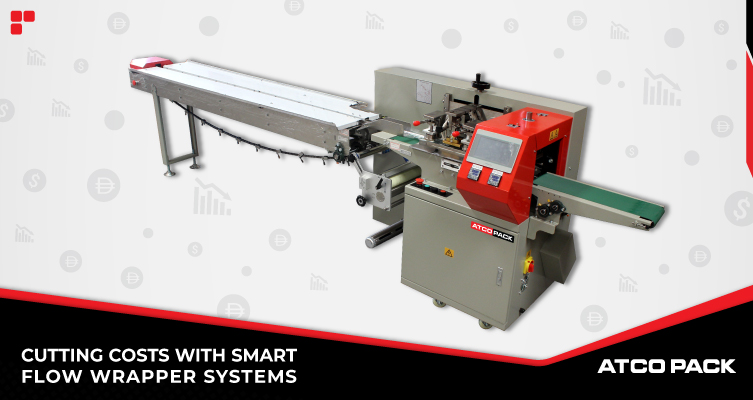
A flow wrapper is an automatic horizontal packaging machine designed to wrap products in a continuous roll of film. Items move through an infeed conveyor, film forms around them, and sealing jaws create secure packs. Rotary or vertical sealing mechanisms maintain consistent pressure and temperature to ensure reliable closure.
In food and disposable product environments, this consistency protects product integrity. In industrial applications, it safeguards components during transport. However, beyond protection, modern flow wrapper systems generate structured operational data. Speed, pack count, stoppage frequency, and dimensional uniformity become measurable.
When integrated correctly, these systems support better dimension control, more accurate carton filling, and predictable shipping volume calculations. That connection between packaging and logistics is often underestimated.
How Dimensioning Improves Cost Control and Automation Readiness
Dimension consistency directly impacts freight billing accuracy. Inaccurate pack sizes lead to incorrect carton utilization. That, in turn, causes volumetric weight discrepancies and higher transportation charges, especially in export-heavy operations common across the region.
A stable flow wrapper maintains repeatable pack dimensions. When pack length and seal placement remain consistent, carton planning becomes more precise. Automated case packing and palletizing systems rely on predictable pack geometry. Without it, automation upgrades become difficult.
Dimension accuracy also supports warehouse space optimization. When cartons are uniformly filled, storage racking can be planned with confidence. This matters in industrial zones where real estate costs continue to rise.
Top 10 Practical Operational Impacts
1. Reduced Film Waste
Precise film tracking lowers unnecessary consumption. Even marginal savings translate into significant annual cost reductions in high-output plants.
2. Fewer Manual Adjustments
Operators spend less time correcting seal alignment or film tension. This reduces human error and improves productivity.
3. Improved Freight Accuracy
Consistent pack sizing supports better carton configuration, minimizing volumetric billing discrepancies during cross-border shipping.
4. Lower Downtime
Servo-driven components and controlled sealing systems reduce mechanical stress, leading to more predictable maintenance cycles.
5. Better Heat Performance
High ambient temperatures common in regional warehouses can impact sealing stability. Modern systems maintain controlled temperature regulation.
6. Enhanced Labour Efficiency
With labour shortages and stricter workforce regulations, automation reduces dependency on manual packing teams.
7. Stronger Compliance Alignment
Consistent packaging supports food safety standards and export documentation requirements, particularly for shipments moving across Gulf borders.
8. Clearer Cost Visibility
Operational data—output rate, stoppage time, and material usage—provides management with measurable performance indicators.
9. Improved Space Utilization
Uniform packaging simplifies carton stacking and warehouse layout planning.
10. Automation Integration Readiness
Stable pack dimensions allow smoother integration with checkweighers, metal detectors, auto cartoners, and palletizers.
Common Mistakes Without Structured Measurement and Automation
Many companies continue relying on manual wrapping or partially automated setups without structured monitoring. Operators may adjust sealing temperature reactively instead of analyzing root causes. Film waste is often accepted as normal rather than measured.
Another common oversight is ignoring volumetric freight calculations. When carton utilization is inconsistent, freight billing increases quietly. Over months, this becomes a hidden expense.
Space planning errors also occur when pack dimensions vary. Warehouse teams compensate with extra buffer zones, reducing storage density. In high-growth industrial areas, inefficient use of space directly affects profitability.
Some facilities delay automation because of perceived investment cost. However, the absence of accurate measurement systems often results in higher long-term expenditure through downtime, rejected packs, and inconsistent export compliance.
Addressing Rising Operational Pressures
Import dependency for spare parts, fluctuating freight charges, and regional trade variations create uncertainty. Stability must come from internal process efficiency.
A smart flow wrapper system contributes by delivering repeatable performance. It reduces variability and strengthens cost forecasting. When production output is predictable, procurement planning becomes more accurate. When packaging is consistent, logistics operations function smoothly.
ATCOPACK integrates flow wrapper solutions designed to operate reliably under demanding regional conditions. The focus remains on measurable efficiency rather than marketing claims.
Guidance for Decision-Makers Planning Automation
Before investing in upgrades, operations heads should evaluate:
Assessing these areas clarifies where packaging accuracy affects broader operational cost structures.
Cutting costs through smart flow wrapper systems is less about speed alone and more about stability, data clarity, and process discipline. In competitive manufacturing environments across the region, consistent packaging performance supports resilient operations.
Accurate measurement, controlled sealing, and dimension reliability collectively strengthen efficiency. When packaging output aligns with logistics planning and compliance requirements, the financial benefits become visible.
For facilities aiming to scale responsibly while controlling operational pressure, refining packaging accuracy is a practical starting point.
Across the UAE, Saudi Arabia, and Oman, manufacturing and distribution facilities are expanding at a pace few expected five years ago. New industrial zones are coming up, warehouse footprints are increasing, and cross-border trade within the region continues to grow. At the same time, operating costs are rising. Freight billing disputes, space miscalculation, manual measurement errors, and compliance gaps quietly erode margins.
In many facilities, the packaging area becomes a pressure point. When a flow wrapper runs inconsistently, when pack dimensions vary, or when output data is unclear, downstream logistics suffer. Incorrect carton sizing affects freight rates. Poor visibility into pack dimensions creates storage inefficiencies. Over time, small inaccuracies compound into measurable financial losses.
Cutting costs, therefore, is not just about negotiating raw material prices. It begins with process accuracy, measurable output, and stable packaging performance.
Understanding flow wrapper Systems in Practical Terms
A flow wrapper is an automatic horizontal packaging machine designed to wrap products in a continuous roll of film. Items move through an infeed conveyor, film forms around them, and sealing jaws create secure packs. Rotary or vertical sealing mechanisms maintain consistent pressure and temperature to ensure reliable closure.
In food and disposable product environments, this consistency protects product integrity. In industrial applications, it safeguards components during transport. However, beyond protection, modern flow wrapper systems generate structured operational data. Speed, pack count, stoppage frequency, and dimensional uniformity become measurable.
When integrated correctly, these systems support better dimension control, more accurate carton filling, and predictable shipping volume calculations. That connection between packaging and logistics is often underestimated.
How Dimensioning Improves Cost Control and Automation Readiness
Dimension consistency directly impacts freight billing accuracy. Inaccurate pack sizes lead to incorrect carton utilization. That, in turn, causes volumetric weight discrepancies and higher transportation charges, especially in export-heavy operations common across the region.
A stable flow wrapper maintains repeatable pack dimensions. When pack length and seal placement remain consistent, carton planning becomes more precise. Automated case packing and palletizing systems rely on predictable pack geometry. Without it, automation upgrades become difficult.
Dimension accuracy also supports warehouse space optimization. When cartons are uniformly filled, storage racking can be planned with confidence. This matters in industrial zones where real estate costs continue to rise.
Top 10 Practical Operational Impacts
1. Reduced Film Waste
Precise film tracking lowers unnecessary consumption. Even marginal savings translate into significant annual cost reductions in high-output plants.
2. Fewer Manual Adjustments
Operators spend less time correcting seal alignment or film tension. This reduces human error and improves productivity.
3. Improved Freight Accuracy
Consistent pack sizing supports better carton configuration, minimizing volumetric billing discrepancies during cross-border shipping.
4. Lower Downtime
Servo-driven components and controlled sealing systems reduce mechanical stress, leading to more predictable maintenance cycles.
5. Better Heat Performance
High ambient temperatures common in regional warehouses can impact sealing stability. Modern systems maintain controlled temperature regulation.
6. Enhanced Labour Efficiency
With labour shortages and stricter workforce regulations, automation reduces dependency on manual packing teams.
7. Stronger Compliance Alignment
Consistent packaging supports food safety standards and export documentation requirements, particularly for shipments moving across Gulf borders.
8. Clearer Cost Visibility
Operational data—output rate, stoppage time, and material usage—provides management with measurable performance indicators.
9. Improved Space Utilization
Uniform packaging simplifies carton stacking and warehouse layout planning.
10. Automation Integration Readiness
Stable pack dimensions allow smoother integration with checkweighers, metal detectors, auto cartoners, and palletizers.
Common Mistakes Without Structured Measurement and Automation
Many companies continue relying on manual wrapping or partially automated setups without structured monitoring. Operators may adjust sealing temperature reactively instead of analyzing root causes. Film waste is often accepted as normal rather than measured.
Another common oversight is ignoring volumetric freight calculations. When carton utilization is inconsistent, freight billing increases quietly. Over months, this becomes a hidden expense.
Space planning errors also occur when pack dimensions vary. Warehouse teams compensate with extra buffer zones, reducing storage density. In high-growth industrial areas, inefficient use of space directly affects profitability.
Some facilities delay automation because of perceived investment cost. However, the absence of accurate measurement systems often results in higher long-term expenditure through downtime, rejected packs, and inconsistent export compliance.
Addressing Rising Operational Pressures
Import dependency for spare parts, fluctuating freight charges, and regional trade variations create uncertainty. Stability must come from internal process efficiency.
A smart flow wrapper system contributes by delivering repeatable performance. It reduces variability and strengthens cost forecasting. When production output is predictable, procurement planning becomes more accurate. When packaging is consistent, logistics operations function smoothly.
ATCOPACK integrates flow wrapper solutions designed to operate reliably under demanding regional conditions. The focus remains on measurable efficiency rather than marketing claims.
Guidance for Decision-Makers Planning Automation
Before investing in upgrades, operations heads should evaluate:
- Current film usage and waste percentage
- Downtime frequency and root causes
- Freight billing discrepancies linked to pack size
- Warehouse space utilization rates
- Future integration plans with downstream automation
Assessing these areas clarifies where packaging accuracy affects broader operational cost structures.
Cutting costs through smart flow wrapper systems is less about speed alone and more about stability, data clarity, and process discipline. In competitive manufacturing environments across the region, consistent packaging performance supports resilient operations.
Accurate measurement, controlled sealing, and dimension reliability collectively strengthen efficiency. When packaging output aligns with logistics planning and compliance requirements, the financial benefits become visible.
For facilities aiming to scale responsibly while controlling operational pressure, refining packaging accuracy is a practical starting point.


GET A QUOTE
Tell us about your business requirement, one of our technical expert will be in touch with you soon..!
PROCEED
NEW PRODUCTS ALERTS