The Integral Role of X-ray Inspection Systems in Reducing Waste and Ensuring Product Integrity in 2024
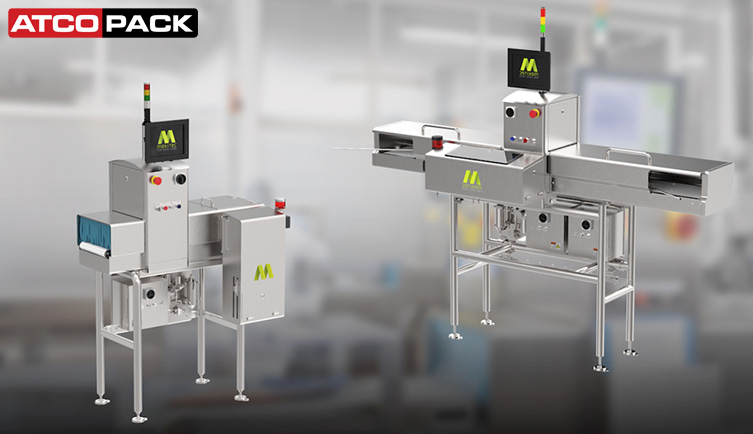
The Integral Role of X-ray Inspection Systems in Reducing Waste and Ensuring Product Integrity in 2024
As we navigate through 2024, the global food industry faces unprecedented challenges, including the escalating demand for food safety, increased consumer awareness, and the urgent need for sustainability practices. Within this complex landscape, X-ray inspection systems emerge as critical players, not only enhancing food safety and quality but also playing a significant role in minimizing waste and ensuring the integrity of food products. This article delves into the multifaceted impact of X-ray inspection technologies, highlighting their importance in modern food production and sustainability efforts.
Advancements in X-ray Inspection Technology
Recent years have witnessed significant advancements in X-ray inspection technology, with improvements in detection capabilities, efficiency, and integration with artificial intelligence (AI) and machine learning algorithms. These technologies can now detect a wider range of foreign objects, including metals, glass, stones, bones, and some types of plastics, with unprecedented precision. Furthermore, they are capable of identifying product defects, such as inconsistencies in shape, size, or composition, contributing to overall product quality and safety.
Reducing Food Waste
One of the most compelling benefits of X-ray inspection systems is their ability to reduce food waste. Traditional methods of detecting contaminants often resulted in the unnecessary disposal of large quantities of food products. Modern X-ray systems, with their enhanced sensitivity and specificity, significantly reduce false positives—items incorrectly identified as contaminated. This precision ensures that only genuinely compromised products are removed from the production line, thereby decreasing food waste.
Moreover, X-ray inspection systems contribute to waste reduction by identifying product defects early in the production process. This early detection allows manufacturers to rectify issues before products are fully packaged or shipped, minimizing the resources expended on defective goods.
Ensuring Product Integrity
Product integrity is paramount in the food industry, encompassing not only safety but also quality and compliance with regulatory standards. X-ray inspection systems play a vital role in verifying that products meet strict quality criteria, such as consistent weight, correct assembly, and the absence of unwanted materials or defects. This comprehensive inspection capability supports manufacturers in upholding high standards of product integrity, fostering consumer trust and satisfaction.
Sustainability Implications
The contribution of X-ray inspection systems to sustainability extends beyond reducing food waste. By improving the efficiency and accuracy of the inspection process, these systems help optimize production processes, conserve energy, and reduce the carbon footprint associated with food manufacturing. Furthermore, by ensuring that only safe and high-quality products reach the market, X-ray inspection technologies help maintain the value of food products, contributing to a more sustainable consumption model.
The role of X-ray inspection systems in the food industry is evolving beyond safety and quality assurance, becoming instrumental in waste reduction and sustainability efforts. As we look towards the future, the continued innovation and integration of these systems into food production lines will be crucial in addressing the dual challenges of ensuring global food safety and advancing environmental sustainability. The year 2024 marks a pivotal point in recognizing and leveraging the potential of X-ray inspection technologies to make food production more efficient, less wasteful, and ultimately more sustainable.
Advancements in X-ray Inspection Technology
Recent years have witnessed significant advancements in X-ray inspection technology, with improvements in detection capabilities, efficiency, and integration with artificial intelligence (AI) and machine learning algorithms. These technologies can now detect a wider range of foreign objects, including metals, glass, stones, bones, and some types of plastics, with unprecedented precision. Furthermore, they are capable of identifying product defects, such as inconsistencies in shape, size, or composition, contributing to overall product quality and safety.
Reducing Food Waste
One of the most compelling benefits of X-ray inspection systems is their ability to reduce food waste. Traditional methods of detecting contaminants often resulted in the unnecessary disposal of large quantities of food products. Modern X-ray systems, with their enhanced sensitivity and specificity, significantly reduce false positives—items incorrectly identified as contaminated. This precision ensures that only genuinely compromised products are removed from the production line, thereby decreasing food waste.
Moreover, X-ray inspection systems contribute to waste reduction by identifying product defects early in the production process. This early detection allows manufacturers to rectify issues before products are fully packaged or shipped, minimizing the resources expended on defective goods.
Ensuring Product Integrity
Product integrity is paramount in the food industry, encompassing not only safety but also quality and compliance with regulatory standards. X-ray inspection systems play a vital role in verifying that products meet strict quality criteria, such as consistent weight, correct assembly, and the absence of unwanted materials or defects. This comprehensive inspection capability supports manufacturers in upholding high standards of product integrity, fostering consumer trust and satisfaction.
Sustainability Implications
The contribution of X-ray inspection systems to sustainability extends beyond reducing food waste. By improving the efficiency and accuracy of the inspection process, these systems help optimize production processes, conserve energy, and reduce the carbon footprint associated with food manufacturing. Furthermore, by ensuring that only safe and high-quality products reach the market, X-ray inspection technologies help maintain the value of food products, contributing to a more sustainable consumption model.
The role of X-ray inspection systems in the food industry is evolving beyond safety and quality assurance, becoming instrumental in waste reduction and sustainability efforts. As we look towards the future, the continued innovation and integration of these systems into food production lines will be crucial in addressing the dual challenges of ensuring global food safety and advancing environmental sustainability. The year 2024 marks a pivotal point in recognizing and leveraging the potential of X-ray inspection technologies to make food production more efficient, less wasteful, and ultimately more sustainable.



GET A QUOTE
Tell us about your business requirement, one of our technical expert will be in touch with you soon..!
PROCEED
NEW PRODUCTS ALERTS