Revolutionizing Food Safety: The Power of a Modern Food Inspection System

In an era where food safety concerns are increasingly at the forefront of public consciousness, the importance of robust food inspection systems cannot be overstated. These systems play a vital role in ensuring that the food we consume is safe, wholesome, and free from contaminants. With advancements in technology and evolving regulatory standards, modern food inspection systems have revolutionized the way we safeguard the food supply chain. This article explores the transformative power of a modern food inspection system and its impact on enhancing food safety.
Enhanced Detection Capabilities:
A key advantage of modern food inspection systems lies in their enhanced detection capabilities. Traditional inspection methods often relied on visual inspections and random sampling, leaving room for human error and limited coverage. However, cutting-edge technologies such as X-ray scanners, hyperspectral imaging, and DNA analysis have revolutionized the inspection process. These advanced tools can identify contaminants, foreign objects, and pathogens with higher accuracy and speed, minimizing the risk of contaminated food reaching consumers.
Real-time Monitoring and Traceability:
Another significant aspect of modern food inspection systems is their ability to provide real-time monitoring and traceability throughout the food supply chain. With the integration of IoT (Internet of Things) devices, sensors, and blockchain technology, food items can be tracked from their origin to the point of sale. This end-to-end traceability enables quick identification and recall of potentially unsafe products, preventing widespread outbreaks and minimizing the economic impact on businesses.
The power of data analytics cannot be underestimated in modern food inspection systems. By analyzing vast amounts of data collected during the inspection process, these systems can identify patterns, trends, and potential risks. Machine learning algorithms can learn from historical data and provide predictive insights, enabling proactive measures to be taken before issues arise. This data-driven approach empowers regulatory authorities and food businesses to make informed decisions, allocate resources effectively, and implement preventive measures to mitigate risks.
Streamlining Regulatory Compliance:
Compliance with food safety regulations is a crucial aspect for food businesses. Modern food inspection systems streamline the process of regulatory compliance by automating record-keeping, generating comprehensive reports, and ensuring standardized inspection protocols. These systems enable easier audits and regulatory assessments, reducing the administrative burden on businesses while promoting consistency and transparency in food safety practices.
Public Trust and Consumer Confidence:
A strong food inspection system plays a vital role in building public trust and consumer confidence in the food industry. When consumers have confidence in the safety and quality of the food they consume, it strengthens their relationship with food businesses and the overall industry. By leveraging modern inspection systems, food businesses can demonstrate their commitment to food safety, differentiate themselves in the market, and cultivate long-term customer loyalty.
The advent of modern food inspection systems has transformed the landscape of food safety. With their enhanced detection capabilities, real-time monitoring, data analytics, and streamlined compliance processes, these systems offer a comprehensive approach to safeguarding the food supply chain. By embracing these technological advancements, regulatory authorities, food businesses, and consumers can collectively ensure that the food we consume is safe, reliable, and of the highest quality. As we continue to prioritize food safety in a rapidly changing world, a modern food inspection system remains an indispensable tool in revolutionizing food safety practices for the betterment of society as a whole.
Enhanced Detection Capabilities:
A key advantage of modern food inspection systems lies in their enhanced detection capabilities. Traditional inspection methods often relied on visual inspections and random sampling, leaving room for human error and limited coverage. However, cutting-edge technologies such as X-ray scanners, hyperspectral imaging, and DNA analysis have revolutionized the inspection process. These advanced tools can identify contaminants, foreign objects, and pathogens with higher accuracy and speed, minimizing the risk of contaminated food reaching consumers.
Real-time Monitoring and Traceability:
Another significant aspect of modern food inspection systems is their ability to provide real-time monitoring and traceability throughout the food supply chain. With the integration of IoT (Internet of Things) devices, sensors, and blockchain technology, food items can be tracked from their origin to the point of sale. This end-to-end traceability enables quick identification and recall of potentially unsafe products, preventing widespread outbreaks and minimizing the economic impact on businesses.
Food Inspection Systems:
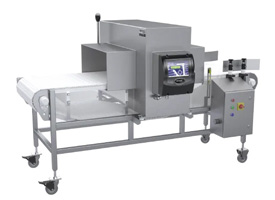
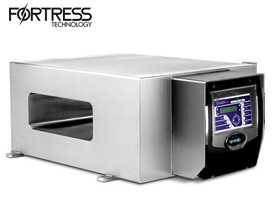
Metal Detectors
X-ray Food Inspection Systems
Check Weigher
Optical Sorters
Data Analytics for Predictive Insights:Metal Detectors
X-ray Food Inspection Systems
Check Weigher
Optical Sorters
The power of data analytics cannot be underestimated in modern food inspection systems. By analyzing vast amounts of data collected during the inspection process, these systems can identify patterns, trends, and potential risks. Machine learning algorithms can learn from historical data and provide predictive insights, enabling proactive measures to be taken before issues arise. This data-driven approach empowers regulatory authorities and food businesses to make informed decisions, allocate resources effectively, and implement preventive measures to mitigate risks.
Streamlining Regulatory Compliance:
Compliance with food safety regulations is a crucial aspect for food businesses. Modern food inspection systems streamline the process of regulatory compliance by automating record-keeping, generating comprehensive reports, and ensuring standardized inspection protocols. These systems enable easier audits and regulatory assessments, reducing the administrative burden on businesses while promoting consistency and transparency in food safety practices.
Public Trust and Consumer Confidence:
A strong food inspection system plays a vital role in building public trust and consumer confidence in the food industry. When consumers have confidence in the safety and quality of the food they consume, it strengthens their relationship with food businesses and the overall industry. By leveraging modern inspection systems, food businesses can demonstrate their commitment to food safety, differentiate themselves in the market, and cultivate long-term customer loyalty.
The advent of modern food inspection systems has transformed the landscape of food safety. With their enhanced detection capabilities, real-time monitoring, data analytics, and streamlined compliance processes, these systems offer a comprehensive approach to safeguarding the food supply chain. By embracing these technological advancements, regulatory authorities, food businesses, and consumers can collectively ensure that the food we consume is safe, reliable, and of the highest quality. As we continue to prioritize food safety in a rapidly changing world, a modern food inspection system remains an indispensable tool in revolutionizing food safety practices for the betterment of society as a whole.



GET A QUOTE
Tell us about your business requirement, one of our technical expert will be in touch with you soon..!
PROCEED
NEW PRODUCTS ALERTS