Optical Sorting Technology in the Fruit and Vegetable Industry
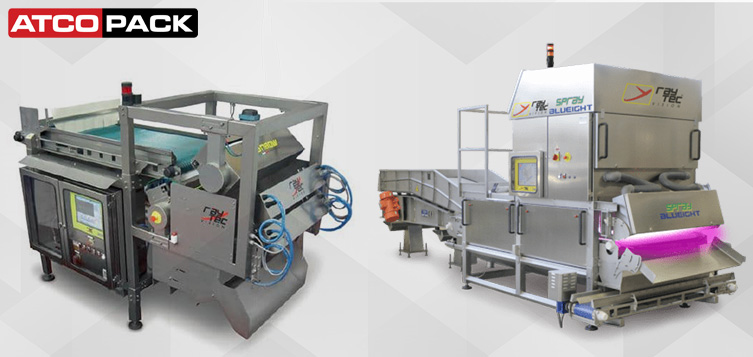
In today's tech-driven world, even industries grounded in the earth, like agriculture, are undergoing transformative changes. One such evolution is the adoption of optical sorting technology in the fruit and vegetable sector. This article dives deep into how this innovative technology is reshaping the produce industry and ensuring that only the finest quality makes its way to our tables.
What is Optical Sorting?
Optical sorting, or digital sorting, is a process that uses cameras, lasers, and other optical devices to scan and sort items based on specific criteria like size, shape, color, and even internal quality. In the context of fruits and vegetables, these machines can quickly detect and remove produce that doesn't meet set standards.
Why is it Crucial for the Fruit and Vegetable Sector?
Challenges and Considerations
While the benefits are clear, there are challenges to consider:
The Future of Optical Sorting in Agriculture
As technology continues to evolve, we can expect even more advanced features in optical sorting, including:
Optical sorting technology, though still in its relative infancy in the agricultural sector, promises a future where produce quality is consistently high, and wastage is minimal. As the fruit and vegetable industry continues to embrace this technology, consumers can look forward to safer, fresher, and better-quality produce on their plates. It's a shining example of how technology can work hand in hand with nature to deliver the best possible outcomes.
What is Optical Sorting?
Optical sorting, or digital sorting, is a process that uses cameras, lasers, and other optical devices to scan and sort items based on specific criteria like size, shape, color, and even internal quality. In the context of fruits and vegetables, these machines can quickly detect and remove produce that doesn't meet set standards.
Why is it Crucial for the Fruit and Vegetable Sector?
- Enhanced Quality Control: With optical sorting, farms and processing plants can ensure that only top-grade produce reaches consumers. The precision of this technology far surpasses manual sorting, resulting in consistent quality.
- Efficiency and Speed: These machines can process large volumes of produce at incredible speeds, significantly reducing the time taken to sort and pack.
- Waste Reduction: By accurately identifying and sorting subpar produce, optical sorting can help reduce food waste. These identified fruits and vegetables can be used in other applications, like juicing or composting.
- Improved Safety: Optical sorters can also detect foreign objects or potential contaminants, ensuring that the produce is not only of high quality but also safe to consume.
Challenges and Considerations
While the benefits are clear, there are challenges to consider:
- Initial Investment: Setting up optical sorting systems requires a significant initial investment, which might be a hurdle for smaller farms.
- Training and Maintenance: Staff need training to operate and maintain these sophisticated machines.
- Adapting to Nature's Variability: Unlike manufactured items, no two fruits or vegetables are exactly alike, requiring the technology to continuously adapt and update.
The Future of Optical Sorting in Agriculture
As technology continues to evolve, we can expect even more advanced features in optical sorting, including:
- Integration with AI and Machine Learning: These systems can learn and adapt over time, increasing their accuracy and efficiency.
- Use of Advanced Sensors: Beyond just cameras, the incorporation of infrared, ultraviolet, and X-ray sensors can provide deeper insights into produce quality, including internal defects.
- Data Collection and Analysis: These systems can also collect vast amounts of data, helping farms understand their yield better and make informed decisions.
Optical sorting technology, though still in its relative infancy in the agricultural sector, promises a future where produce quality is consistently high, and wastage is minimal. As the fruit and vegetable industry continues to embrace this technology, consumers can look forward to safer, fresher, and better-quality produce on their plates. It's a shining example of how technology can work hand in hand with nature to deliver the best possible outcomes.


GET A QUOTE
Tell us about your business requirement, one of our technical expert will be in touch with you soon..!
PROCEED
NEW PRODUCTS ALERTS