Ensuring Food Quality with Next-Generation Inspection Machines
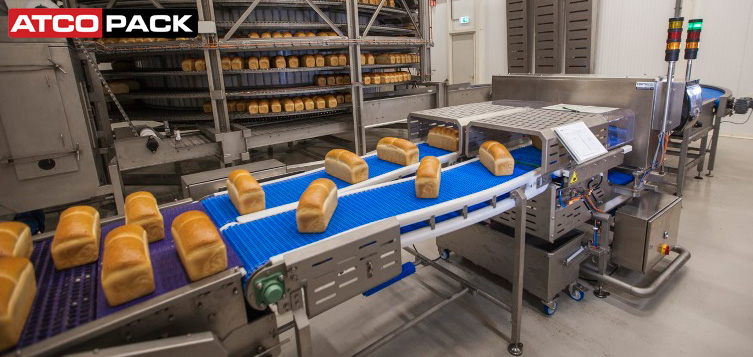
In an age where the demands for food safety and quality are ever-increasing, the food industry continually seeks innovative approaches to meet these expectations. Next-generation food quality inspection machines stand at the forefront of this endeavor, merging technology with the high standards set for food safety and quality. This article delves into how these state-of-the-art machines are ensuring the utmost food quality and reshaping the landscape of the food industry.
The Current State of Food Inspection
Traditionally, food inspection processes have largely been manual, relying on human expertise to assess the quality and safety of food products. However, these methods have their limitations, including human error and the inability to detect microorganisms or chemical contaminations at the microscopic level.
The industry required an upgrade - a system that not only minimizes errors but also amplifies the precision in detecting anomalies, thereby ensuring food safety at all levels of production.
The Rise of Next-Generation Inspection Machines
Enter next-generation food quality inspection machines - a confluence of robotics, artificial intelligence (AI), and machine learning. These advanced machines bring a new level of sophistication and accuracy to the food inspection process. Some of the state-of-the-art technologies integrated into these machines include:
1. X-ray Inspection Technology: Capable of detecting foreign materials such as metal, glass, and stone with unprecedented accuracy, safeguarding consumers from potential hazards.
2. Hyperspectral Imaging: This technology goes beyond what the human eye can perceive, analyzing food products at the molecular level and detecting impurities and inconsistencies in the composition.
3. Machine Learning Algorithms: Leveraging data analytics to continually improve the detection accuracy over time, learning from each inspection to become more proficient.
Benefits of Utilizing Next-Generation Inspection Machines
The integration of these next-generation machines into the food industry brings a host of benefits, including:
Future Prospects
Looking ahead, the next frontier for these inspection machines could be the integration of Internet of Things (IoT) technologies for real-time monitoring and decision-making, further enhancing the capabilities of these machines and taking food safety to unparalleled heights.
Next-generation food quality inspection machines have ushered in a new era of food safety and quality assurance. By leveraging sophisticated technologies like AI, machine learning, and x-ray inspection, these machines are not just an option but a necessity in today's fast-paced food industry.
With a commitment to fostering a safer food environment for all, the industry must continue to invest in these technologies, advancing towards a future where the highest food quality is not just an aspiration but a guarantee.
The Current State of Food Inspection
Traditionally, food inspection processes have largely been manual, relying on human expertise to assess the quality and safety of food products. However, these methods have their limitations, including human error and the inability to detect microorganisms or chemical contaminations at the microscopic level.
The industry required an upgrade - a system that not only minimizes errors but also amplifies the precision in detecting anomalies, thereby ensuring food safety at all levels of production.
The Rise of Next-Generation Inspection Machines
Enter next-generation food quality inspection machines - a confluence of robotics, artificial intelligence (AI), and machine learning. These advanced machines bring a new level of sophistication and accuracy to the food inspection process. Some of the state-of-the-art technologies integrated into these machines include:
1. X-ray Inspection Technology: Capable of detecting foreign materials such as metal, glass, and stone with unprecedented accuracy, safeguarding consumers from potential hazards.
2. Hyperspectral Imaging: This technology goes beyond what the human eye can perceive, analyzing food products at the molecular level and detecting impurities and inconsistencies in the composition.
3. Machine Learning Algorithms: Leveraging data analytics to continually improve the detection accuracy over time, learning from each inspection to become more proficient.
Benefits of Utilizing Next-Generation Inspection Machines
The integration of these next-generation machines into the food industry brings a host of benefits, including:
- 1. Enhanced Food Safety: With the ability to detect contaminants at the microscopic level, these machines enhance food safety exponentially, providing consumers with products that meet the highest safety standards.
- 2. Cost-Efficiency: By reducing the reliance on manual labor and minimizing the chances of recalls due to contamination, these machines prove to be a cost-effective solution in the long run.
- 3. Compliance with Regulatory Standards: Adherence to the evolving regulatory standards becomes much streamlined, helping businesses maintain compliance effortlessly. Case Studies: Success Stories of Implementation
Future Prospects
Looking ahead, the next frontier for these inspection machines could be the integration of Internet of Things (IoT) technologies for real-time monitoring and decision-making, further enhancing the capabilities of these machines and taking food safety to unparalleled heights.
Next-generation food quality inspection machines have ushered in a new era of food safety and quality assurance. By leveraging sophisticated technologies like AI, machine learning, and x-ray inspection, these machines are not just an option but a necessity in today's fast-paced food industry.
With a commitment to fostering a safer food environment for all, the industry must continue to invest in these technologies, advancing towards a future where the highest food quality is not just an aspiration but a guarantee.


GET A QUOTE
Tell us about your business requirement, one of our technical expert will be in touch with you soon..!
PROCEED
NEW PRODUCTS ALERTS