Electric vs. Diesel Forklift: Which One Is Right for Your Business Operations?
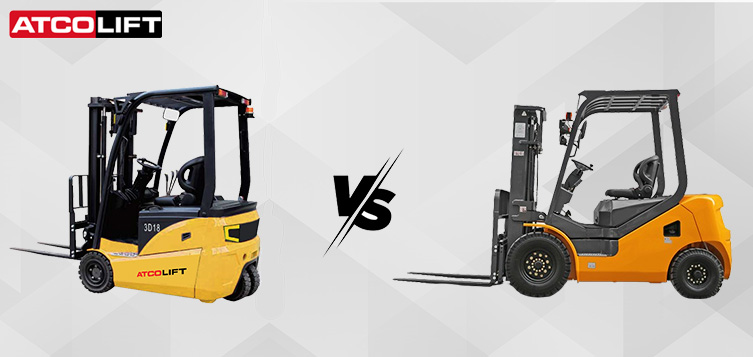
Choosing the right forklift for your warehouse or factory isn’t just a buying decision—it’s a long-term investment that affects efficiency, operating costs, and productivity. In regions like the UAE, Oman, and KSA, where diverse industries demand both indoor precision and outdoor strength, understanding the difference between electric and diesel forklifts becomes essential before making a choice.
1. Understanding the Core Difference
Electric forklifts run on rechargeable batteries, providing quiet, emission-free operation ideal for indoor and enclosed environments. Diesel forklifts, on the other hand, are powered by internal combustion engines designed for heavy-duty outdoor use. Each comes with advantages shaped by your specific work conditions, load requirements, and energy access.
2. What Makes Electric Forklifts a Smart Choice?
Electric forklift have become a preferred option in temperature-controlled warehouses and manufacturing units where air quality, safety, and precision matter. They are energy-efficient, produce no exhaust fumes, and require minimal maintenance.
Key advantages include:
For businesses in Dubai or Muscat focusing on eco-friendly operations, electric forklifts offer cost efficiency and compliance with environmental standards.
3. Why Diesel Forklifts Still Dominate Heavy-Duty Tasks
When it comes to outdoor yards, ports, or construction sites, diesel forklifts remain unmatched in raw power and endurance. Their engines handle heavier loads and continuous operation without frequent charging breaks.
Key benefits include:
Businesses in Riyadh or Abu Dhabi managing logistics or outdoor cargo handling often favor diesel forklifts for their reliability and robust lifting capacity.
4. Comparing Operational Costs and Maintenance
While diesel forklifts have a lower upfront cost, their long-term maintenance and fuel expenses tend to be higher. Electric models require an initial battery investment but save on energy costs over time. Electric units also eliminate oil changes, fuel filters, and emissions-related maintenance, reducing downtime. In the long run, the total cost of ownership often balances out depending on the intensity and environment of operation.
5. Which Forklift Suits UAE, Oman, or KSA Conditions?
Choosing the right forklift depends on balancing these environmental and operational factors.
6. Environmental and Safety Considerations
With regional emphasis on sustainability and workplace safety, electric forklifts align better with emission-free regulations and reduce noise pollution. Diesel forklifts, while powerful, require proper ventilation and exhaust management when used near enclosed areas. Forward-thinking companies in the GCC are gradually upgrading fleets to hybrid or electric solutions to meet green compliance targets.
7. Making the Right Investment Decision
Before finalizing, evaluate your site layout, load frequency, operational hours, and future expansion plans. For example, if your team works multiple shifts in climate-controlled storage, electric forklifts may deliver better returns. Conversely, if your operations involve continuous outdoor lifting or rough terrain, diesel forklifts remain the most practical choice.
8. The ATCOLIFT Advantage
ATCOLIFT provides both electric and diesel forklifts engineered to meet diverse material handling needs across the Middle East. From energy-efficient electric models suited for modern warehouses to heavy-duty diesel forklifts built for industrial power, every unit combines reliability with after-sales support and genuine spare parts. Contact ATCOLIFT’s regional team in UAE, Oman, or KSA for expert guidance on selecting the best forklift for your operations or to request a quick quotation tailored to your business.
1. Understanding the Core Difference
Electric forklifts run on rechargeable batteries, providing quiet, emission-free operation ideal for indoor and enclosed environments. Diesel forklifts, on the other hand, are powered by internal combustion engines designed for heavy-duty outdoor use. Each comes with advantages shaped by your specific work conditions, load requirements, and energy access.
2. What Makes Electric Forklifts a Smart Choice?
Electric forklift have become a preferred option in temperature-controlled warehouses and manufacturing units where air quality, safety, and precision matter. They are energy-efficient, produce no exhaust fumes, and require minimal maintenance.
Key advantages include:
- Lower operating noise levels—ideal for indoor logistics and food or pharmaceutical facilities.
- Reduced long-term maintenance due to fewer moving engine parts.
- Clean energy operation that supports sustainability goals.
- Better maneuverability in narrow aisles and confined spaces.
For businesses in Dubai or Muscat focusing on eco-friendly operations, electric forklifts offer cost efficiency and compliance with environmental standards.
3. Why Diesel Forklifts Still Dominate Heavy-Duty Tasks
When it comes to outdoor yards, ports, or construction sites, diesel forklifts remain unmatched in raw power and endurance. Their engines handle heavier loads and continuous operation without frequent charging breaks.
Key benefits include:
- Strong torque for lifting heavier pallets and containers.
- Ideal performance for uneven outdoor surfaces.
- Quick refueling compared to battery charging time.
- Consistent operation across long shifts.
Businesses in Riyadh or Abu Dhabi managing logistics or outdoor cargo handling often favor diesel forklifts for their reliability and robust lifting capacity.
4. Comparing Operational Costs and Maintenance
While diesel forklifts have a lower upfront cost, their long-term maintenance and fuel expenses tend to be higher. Electric models require an initial battery investment but save on energy costs over time. Electric units also eliminate oil changes, fuel filters, and emissions-related maintenance, reducing downtime. In the long run, the total cost of ownership often balances out depending on the intensity and environment of operation.
5. Which Forklift Suits UAE, Oman, or KSA Conditions?
- UAE: Indoor warehouse operators and logistics companies often lean toward electric forklifts for cleaner, quieter operations in industrial zones.
- Oman: Mixed environments benefit from both types—electric models for enclosed warehouses and diesel for port handling in Muscat or Sohar.
- KSA: Construction and heavy industries across Riyadh or Dammam rely on diesel forklifts for their ruggedness and high torque capacity.
Choosing the right forklift depends on balancing these environmental and operational factors.
6. Environmental and Safety Considerations
With regional emphasis on sustainability and workplace safety, electric forklifts align better with emission-free regulations and reduce noise pollution. Diesel forklifts, while powerful, require proper ventilation and exhaust management when used near enclosed areas. Forward-thinking companies in the GCC are gradually upgrading fleets to hybrid or electric solutions to meet green compliance targets.
7. Making the Right Investment Decision
Before finalizing, evaluate your site layout, load frequency, operational hours, and future expansion plans. For example, if your team works multiple shifts in climate-controlled storage, electric forklifts may deliver better returns. Conversely, if your operations involve continuous outdoor lifting or rough terrain, diesel forklifts remain the most practical choice.
8. The ATCOLIFT Advantage
ATCOLIFT provides both electric and diesel forklifts engineered to meet diverse material handling needs across the Middle East. From energy-efficient electric models suited for modern warehouses to heavy-duty diesel forklifts built for industrial power, every unit combines reliability with after-sales support and genuine spare parts. Contact ATCOLIFT’s regional team in UAE, Oman, or KSA for expert guidance on selecting the best forklift for your operations or to request a quick quotation tailored to your business.


GET A QUOTE
Tell us about your business requirement, one of our technical expert will be in touch with you soon..!
PROCEED
NEW PRODUCTS ALERTS