Choosing the Right Refrigeration System for Your Business Needs
The refrigeration system plays a pivotal role in many businesses, from restaurants and grocery stores to pharmaceutical companies and warehouses. The right system ensures product quality, safety, and can significantly influence operating costs. If you're on the brink of making a decision about which refrigeration system best suits your business needs, this article provides a comprehensive guide to assist you.
1. Understanding Your Business Requirements
2. Assessing the Types of Refrigeration Systems
There are several refrigeration systems available:
In the long run, energy consumption can contribute a significant chunk to your operational costs:
4. Ease of Maintenance and Service
Routine maintenance is crucial for longevity:
5. Regulatory and Compliance Factors
Different industries have varying regulatory standards:
Ensure the chosen system meets local, state, and federal guidelines, especially if you're in sectors like food or pharmaceuticals.
6. Budget Considerations
While the initial cost is an obvious factor, also consider:
7. Future-Proofing Your Investment
Technology is rapidly evolving:
Choosing the right refrigeration system for your business needs is not just about the upfront costs. It's a strategic decision that impacts product quality, safety, regulatory compliance, and long-term operational costs. By evaluating your business needs and understanding the features and benefits of various systems, you can make an informed decision that will serve your business well into the future.
1. Understanding Your Business Requirements
- Type of Products: Different products have unique storage needs. Perishable goods like fruits, vegetables, and meats require specific temperatures, while pharmaceuticals might need both temperature and humidity control.
- Storage Duration: Do you need short-term daily storage, or are you looking to store products for extended periods?
- Volume and Scalability: Determine the amount of space you currently need and whether your business might expand in the near future. Choose a system that allows for growth without extensive modifications.
2. Assessing the Types of Refrigeration Systems
There are several refrigeration systems available:
- Walk-in Coolers: Best for businesses like restaurants that need bulk storage at relatively higher temperatures.
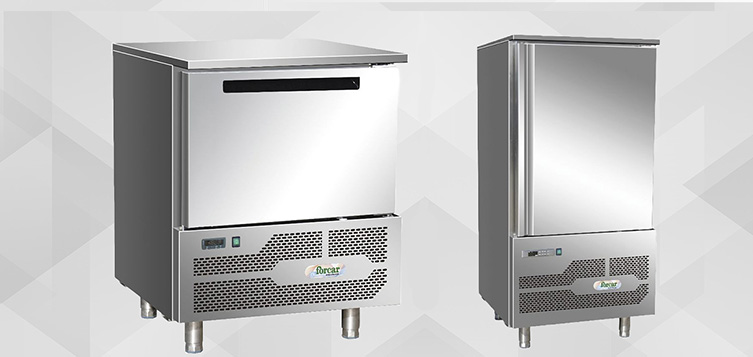
- Blast Chillers: Used to rapidly cool food items, usually in commercial kitchens.
- Industrial Refrigerators: Best for large-scale operations like warehouses.
- Display Refrigerators: Ideal for businesses that need to display products, such as grocery stores or delis.
- Specialized Systems: Pharmaceutical refrigerators, laboratory cold storage, etc.
ATCOKITCHEN Refrigeration & Cold Rooms:
Upright Refrigerators
Counter Refrigerators
Blast Chillers
Salad Refrigerators
Pizza Preparation Refrigerators
3. Energy EfficiencyUpright Refrigerators
Counter Refrigerators
Blast Chillers
Salad Refrigerators
Pizza Preparation Refrigerators
In the long run, energy consumption can contribute a significant chunk to your operational costs:
- Look for Energy Star Ratings: Systems with high energy star ratings might cost more upfront but will save money over time.
- Invest in Digital Controllers: They provide real-time monitoring, helping to manage and reduce energy consumption.
4. Ease of Maintenance and Service
Routine maintenance is crucial for longevity:
- Accessible Components: Ensure the system you choose has easily accessible parts for quicker service and repair.
- Service Contracts: Some manufacturers or sellers offer comprehensive maintenance packages. This can be a cost-effective way to ensure the system's longevity.
5. Regulatory and Compliance Factors
Different industries have varying regulatory standards:
Ensure the chosen system meets local, state, and federal guidelines, especially if you're in sectors like food or pharmaceuticals.
6. Budget Considerations
While the initial cost is an obvious factor, also consider:
- Operational Costs: Energy consumption, maintenance, and repair costs can affect long-term expenses.
- Return on Investment (ROI): High-quality systems may provide better ROI in the long run due to reduced wastage, fewer breakdowns, and longer operational life.
7. Future-Proofing Your Investment
Technology is rapidly evolving:
- Modularity: Can you expand or modify the system easily in the future?
- Compatibility: Is the system compatible with newer technologies like IoT, allowing for remote monitoring and control?
Choosing the right refrigeration system for your business needs is not just about the upfront costs. It's a strategic decision that impacts product quality, safety, regulatory compliance, and long-term operational costs. By evaluating your business needs and understanding the features and benefits of various systems, you can make an informed decision that will serve your business well into the future.
GET A QUOTE
Tell us about your business requirement, one of our technical expert will be in touch with you soon..!
PROCEED
NEW PRODUCTS ALERTS