The Future of Warehousing: Exploring the Potential of Artificial Intelligence Systems
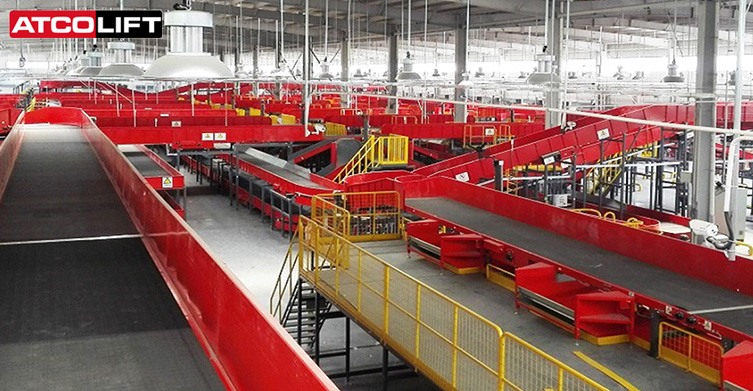
Warehousing operations have long been the backbone of supply chain management, facilitating the storage, organization, and distribution of goods. However, the advent of artificial intelligence (AI) systems has brought about a transformative shift in the way warehouses operate. AI technologies offer unprecedented potential for streamlining operations, improving efficiency, and enhancing decision-making processes. In this article, we delve into the future of warehousing and explore the vast possibilities that AI systems bring to the table.
Enhancing Efficiency with AI:
Artificial intelligence systems are poised to revolutionize warehouse operations by significantly enhancing efficiency across various tasks. One key area where AI excels is inventory management. Traditional manual methods of inventory tracking are prone to errors and inefficiencies, leading to stockouts or excessive inventory. AI-powered systems, on the other hand, utilize advanced algorithms and machine learning techniques to accurately forecast demand, optimize inventory levels, and automate replenishment processes. This not only minimizes stockouts and overstock situations but also reduces costs associated with carrying excess inventory.
Another promising application of AI in warehousing is robotic automation. AI-driven robots and autonomous vehicles can efficiently navigate warehouse environments, perform repetitive tasks such as picking and sorting, and even collaborate with human workers to increase overall productivity. These robots can adapt to changing conditions, optimize routes, and reduce manual labor, enabling warehouses to handle higher volumes of goods and streamline their operations.
AI systems can provide invaluable insights and support informed decision-making in warehouses. With the ability to process vast amounts of data in real-time, AI algorithms can identify patterns, trends, and anomalies, enabling warehouse managers to make data-driven decisions. For instance, AI-powered analytics can assess historical data, external factors such as weather or market trends, and operational variables to optimize warehouse layout, resource allocation, and workflow planning.
Furthermore, AI systems can monitor and analyze various performance metrics, such as order fulfillment rates, turnaround times, and error rates, to identify bottlenecks or areas for improvement. By identifying inefficiencies or operational gaps, warehouse managers can proactively address issues and implement corrective measures, leading to improved overall performance.
Enhanced Customer Experience:
In an era of heightened customer expectations, AI systems play a crucial role in enhancing the customer experience within warehousing operations. AI-powered chatbots and virtual assistants can provide real-time support and respond to customer inquiries promptly. These intelligent systems can handle order status inquiries, track shipments, and even suggest personalized product recommendations based on customer preferences and purchase history.
Moreover, AI systems can enable advanced order fulfillment capabilities such as same-day or next-day delivery. By leveraging machine learning algorithms to optimize order picking, route planning, and delivery scheduling, warehouses can fulfill customer orders faster and more efficiently, exceeding customer expectations.
Challenges and Considerations:
While the potential of AI systems in warehousing is vast, several challenges and considerations need to be addressed. Data security and privacy concerns, algorithmic bias, and the need for skilled AI talent are among the critical factors that need careful attention. Additionally, the integration of AI systems with existing warehouse infrastructure and legacy systems may pose implementation challenges.
Artificial intelligence systems are set to reshape the future of warehousing by improving efficiency, optimizing operations, and elevating the customer experience. From inventory management and robotic automation to data-driven decision-making, AI technologies offer unprecedented potential for warehouse optimization. However, it is crucial to approach the adoption of AI systems thoughtfully, addressing challenges and leveraging the expertise of skilled professionals. With careful planning and implementation, warehouses can harness the power of AI to stay ahead in an increasingly competitive landscape and unlock new levels of operational excellence.
Enhancing Efficiency with AI:
Artificial intelligence systems are poised to revolutionize warehouse operations by significantly enhancing efficiency across various tasks. One key area where AI excels is inventory management. Traditional manual methods of inventory tracking are prone to errors and inefficiencies, leading to stockouts or excessive inventory. AI-powered systems, on the other hand, utilize advanced algorithms and machine learning techniques to accurately forecast demand, optimize inventory levels, and automate replenishment processes. This not only minimizes stockouts and overstock situations but also reduces costs associated with carrying excess inventory.
Another promising application of AI in warehousing is robotic automation. AI-driven robots and autonomous vehicles can efficiently navigate warehouse environments, perform repetitive tasks such as picking and sorting, and even collaborate with human workers to increase overall productivity. These robots can adapt to changing conditions, optimize routes, and reduce manual labor, enabling warehouses to handle higher volumes of goods and streamline their operations.
ATCO Warehouse Automation:
Dimension Weight Scanning (DWS) Systems
Sorting Solutions
Conveyor Automation
Intelligent Warehousing
Multi-Directional Shuttle Automation System
Software Solutions
Smarter Decision-Making:
Dimension Weight Scanning (DWS) Systems
Sorting Solutions
Conveyor Automation
Intelligent Warehousing
Multi-Directional Shuttle Automation System
Software Solutions
AI systems can provide invaluable insights and support informed decision-making in warehouses. With the ability to process vast amounts of data in real-time, AI algorithms can identify patterns, trends, and anomalies, enabling warehouse managers to make data-driven decisions. For instance, AI-powered analytics can assess historical data, external factors such as weather or market trends, and operational variables to optimize warehouse layout, resource allocation, and workflow planning.
Furthermore, AI systems can monitor and analyze various performance metrics, such as order fulfillment rates, turnaround times, and error rates, to identify bottlenecks or areas for improvement. By identifying inefficiencies or operational gaps, warehouse managers can proactively address issues and implement corrective measures, leading to improved overall performance.
Enhanced Customer Experience:
In an era of heightened customer expectations, AI systems play a crucial role in enhancing the customer experience within warehousing operations. AI-powered chatbots and virtual assistants can provide real-time support and respond to customer inquiries promptly. These intelligent systems can handle order status inquiries, track shipments, and even suggest personalized product recommendations based on customer preferences and purchase history.
Moreover, AI systems can enable advanced order fulfillment capabilities such as same-day or next-day delivery. By leveraging machine learning algorithms to optimize order picking, route planning, and delivery scheduling, warehouses can fulfill customer orders faster and more efficiently, exceeding customer expectations.
Challenges and Considerations:
While the potential of AI systems in warehousing is vast, several challenges and considerations need to be addressed. Data security and privacy concerns, algorithmic bias, and the need for skilled AI talent are among the critical factors that need careful attention. Additionally, the integration of AI systems with existing warehouse infrastructure and legacy systems may pose implementation challenges.
Artificial intelligence systems are set to reshape the future of warehousing by improving efficiency, optimizing operations, and elevating the customer experience. From inventory management and robotic automation to data-driven decision-making, AI technologies offer unprecedented potential for warehouse optimization. However, it is crucial to approach the adoption of AI systems thoughtfully, addressing challenges and leveraging the expertise of skilled professionals. With careful planning and implementation, warehouses can harness the power of AI to stay ahead in an increasingly competitive landscape and unlock new levels of operational excellence.
GET A QUOTE
Tell us about your business requirement, one of our technical expert will be in touch with you soon..!
PROCEED
NEW PRODUCTS ALERTS