Optimizing Cold Room Storage: Best Practices for Freshness and Energy Efficiency
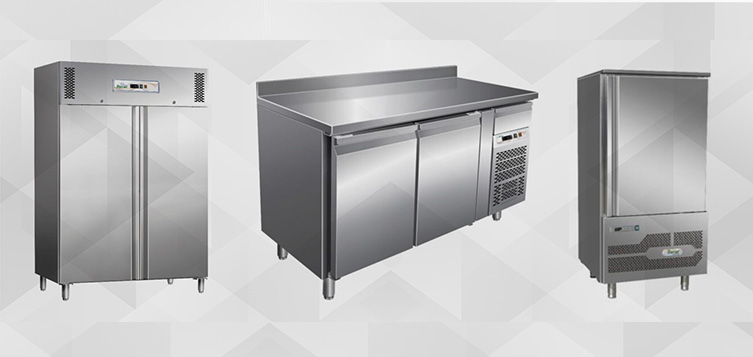
Cold rooms play a pivotal role in various industries, particularly the food sector, ensuring perishable goods remain fresh and retain their quality. However, running these facilities comes with substantial energy demands. Balancing freshness and energy efficiency is crucial. In this article, we delve into the best practices for optimizing cold room storage to achieve this balance.
1. Regular Maintenance Checks
A cold room's efficiency decreases over time if it's not maintained. Regularly check the insulation, seals, and mechanical components. Fix any leaks promptly. Clean the evaporators and condensers periodically to ensure they function optimally.
2. Optimal Temperature Settings
Overcooling not only increases energy costs but may also compromise the quality of stored goods. It's vital to maintain a consistent temperature tailored to the specific requirements of the stored items.
3. Use Energy-efficient Lighting
Swap out traditional bulbs for LED lights. They use less energy, generate less heat (reducing cooling demands), and have a longer lifespan.
VSDs adjust the speed of the compressor based on the cooling demand. This can cut energy use by up to 30% compared to systems that run at a constant speed.
5. Invest in High-quality Insulation
Efficient insulation keeps the cold air in and the hot air out. It's an upfront investment that pays dividends in the long run through reduced energy bills.
6. Organize Efficiently
An organized cold room not only makes access easier but also ensures efficient airflow, helping maintain consistent temperatures. Use shelves and avoid overstocking.
7. Use Door Alarms and Air Curtains
Frequent or prolonged door openings let warm air in, compromising energy efficiency. Install door alarms to alert staff if doors are left open. Air curtains can also be beneficial, creating an air barrier that minimizes warm air intrusion.
8. Monitor Temperature and Humidity Levels
Using digital monitoring systems can help in early detection of inefficiencies or malfunctions. These systems can also provide data analytics to optimize cold storage operations.
9. Upgrade Older Systems
Newer cold room technologies tend to be more energy-efficient. If your system is outdated, consider upgrading to newer models that offer better energy consumption rates and more advanced features.
10. Invest in Renewable Energy Sources
Solar panels or wind turbines can supplement energy needs, reducing dependence on the grid. While this requires an initial investment, it can lead to long-term savings and reduce the facility's carbon footprint.
Optimizing cold room storage is not just about maintaining freshness but also ensuring operations are energy-efficient. Adopting the best practices mentioned above will not only lead to significant cost savings but also play a part in creating a more sustainable future. As technology advances, continually assess and adapt to ensure your cold storage facilities remain at the forefront of efficiency and effectiveness.
1. Regular Maintenance Checks
A cold room's efficiency decreases over time if it's not maintained. Regularly check the insulation, seals, and mechanical components. Fix any leaks promptly. Clean the evaporators and condensers periodically to ensure they function optimally.
2. Optimal Temperature Settings
Overcooling not only increases energy costs but may also compromise the quality of stored goods. It's vital to maintain a consistent temperature tailored to the specific requirements of the stored items.
3. Use Energy-efficient Lighting
Swap out traditional bulbs for LED lights. They use less energy, generate less heat (reducing cooling demands), and have a longer lifespan.
Refrigeration & Cold Rooms:
Upright Refrigerators
Counter Refrigerators
Blast Chillers
Salad Refrigerators
Pizza Preparation Refrigerators
4. Install Variable Speed Drives (VSDs)Upright Refrigerators
Counter Refrigerators
Blast Chillers
Salad Refrigerators
Pizza Preparation Refrigerators
VSDs adjust the speed of the compressor based on the cooling demand. This can cut energy use by up to 30% compared to systems that run at a constant speed.
5. Invest in High-quality Insulation
Efficient insulation keeps the cold air in and the hot air out. It's an upfront investment that pays dividends in the long run through reduced energy bills.
6. Organize Efficiently
An organized cold room not only makes access easier but also ensures efficient airflow, helping maintain consistent temperatures. Use shelves and avoid overstocking.
7. Use Door Alarms and Air Curtains
Frequent or prolonged door openings let warm air in, compromising energy efficiency. Install door alarms to alert staff if doors are left open. Air curtains can also be beneficial, creating an air barrier that minimizes warm air intrusion.
8. Monitor Temperature and Humidity Levels
Using digital monitoring systems can help in early detection of inefficiencies or malfunctions. These systems can also provide data analytics to optimize cold storage operations.
9. Upgrade Older Systems
Newer cold room technologies tend to be more energy-efficient. If your system is outdated, consider upgrading to newer models that offer better energy consumption rates and more advanced features.
10. Invest in Renewable Energy Sources
Solar panels or wind turbines can supplement energy needs, reducing dependence on the grid. While this requires an initial investment, it can lead to long-term savings and reduce the facility's carbon footprint.
Optimizing cold room storage is not just about maintaining freshness but also ensuring operations are energy-efficient. Adopting the best practices mentioned above will not only lead to significant cost savings but also play a part in creating a more sustainable future. As technology advances, continually assess and adapt to ensure your cold storage facilities remain at the forefront of efficiency and effectiveness.
GET A QUOTE
Tell us about your business requirement, one of our technical expert will be in touch with you soon..!
PROCEED
NEW PRODUCTS ALERTS