Complete Guide to Dimensioning & Weighing Systems in Logistics Operations
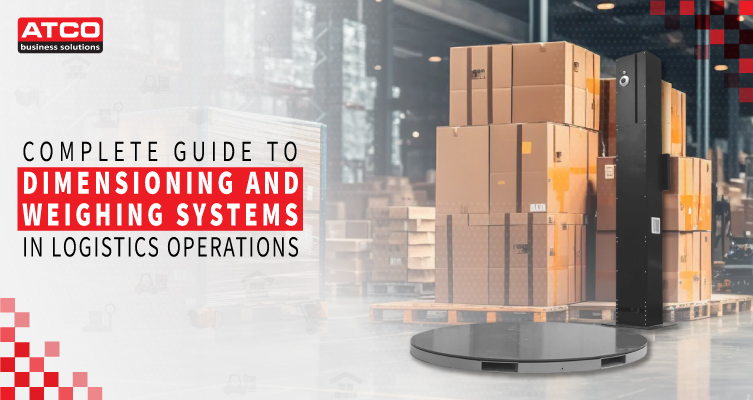
Measurement errors rarely appear as major problems at first. They build slowly—one incorrect shipment value, one miscalculated pallet, one delayed dispatch. Over time, these small gaps start affecting cost, space usage, and delivery timelines.
In many warehouses, manual measurement still continues as a routine activity. It may seem manageable, but as shipment volume increases, consistency drops. Different operators measure differently, and results vary. Dimensioning & Weighing Systems help remove this variation by bringing uniformity and speed into daily operations.
Why Measurement Accuracy Directly Affects Operations
Freight billing depends heavily on volumetric weight. If dimensions are not accurate, companies either lose revenue or face repeated corrections from logistics providers. This creates unnecessary back-and-forth and slows down financial processes. Beyond billing, measurement impacts storage planning. Incorrect dimensions can lead to inefficient rack usage, blocked aisles, and poor load distribution in vehicles. Reliable data supports better planning across receiving, storage, and dispatch.
What Dimensioning & Weighing Systems Actually Do
These systems automatically capture length, width, height, and weight of packages during movement. Instead of stopping the workflow, measurement happens in real time. Sensors, cameras, and weighing platforms work together to record accurate values within seconds. The collected data is then transferred to warehouse or transport systems, removing the need for manual entry and reducing the chance of errors.
Key Elements Behind System Performance
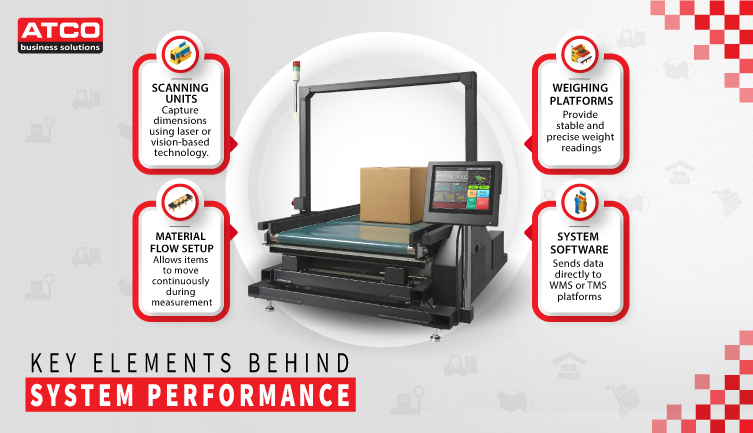 A well-configured system depends on multiple components working together smoothly. Each part plays a role in ensuring reliable measurement.
Types of Systems Used in Logistics
Selection depends on operational scale, package variety, and required speed. Not every warehouse needs the same level of automation.
Static Systems
Items are placed manually for measurement. Suitable for controlled environments with moderate volumes or verification processes.
Dynamic Systems
Packages are measured while moving on conveyors. These systems are designed for facilities handling continuous flow.
Integrated In-Motion Systems
Combines dimensioning, weighing, and scanning into a single process. Often used in large distribution centers where speed and accuracy are equally important.
Operational Gains Seen in Daily Workflows
The shift from manual to automated measurement brings noticeable improvements. Not only does speed increase, but accuracy becomes consistent across all shifts.
Facilities dealing with mixed SKUs or irregular packages benefit significantly, as manual measurement becomes difficult to standardize in such environments.
Common Issues Without Automation
Manual measurement processes often introduce hidden inefficiencies that grow over time.
These challenges may not always be visible immediately but gradually impact operational performance and cost control.
Integration with Existing Systems
When connected to warehouse or transport systems, measurement data becomes more useful. It flows automatically into billing, tracking, and reporting processes. This reduces manual entry and improves overall accuracy. It also allows better visibility into operations, helping teams make quicker and more informed decisions.
Important Considerations Before Implementation
Choosing the right system requires understanding actual operational conditions rather than focusing only on specifications.
In high-temperature warehouse environments, system reliability under continuous operation becomes especially important.
Safety and Workforce Impact
Manual measurement involves repetitive lifting and positioning, which can lead to fatigue and injuries over time. Automation reduces these physical demands and creates a safer working environment. Workers shift toward monitoring and managing exceptions rather than performing repetitive tasks. This change improves both productivity and job safety without removing the human role from operations.
Future Direction of Measurement Systems
Measurement is no longer a standalone activity. It is becoming part of a connected workflow where dimensioning, weighing, sorting, and tracking operate together. This integration improves operational visibility and supports faster decision-making. As warehouse operations continue to expand, systems that provide accurate and real-time data will play a central role in maintaining efficiency. ATCOLIFT has supported logistics operations with practical measurement solutions designed to fit real warehouse conditions, focusing on accuracy, consistency, and smooth integration.
Why Measurement Accuracy Directly Affects Operations
Freight billing depends heavily on volumetric weight. If dimensions are not accurate, companies either lose revenue or face repeated corrections from logistics providers. This creates unnecessary back-and-forth and slows down financial processes. Beyond billing, measurement impacts storage planning. Incorrect dimensions can lead to inefficient rack usage, blocked aisles, and poor load distribution in vehicles. Reliable data supports better planning across receiving, storage, and dispatch.
- Maintains consistency in shipment data
- Reduces billing disputes and adjustments
- Improves storage and transport planning
What Dimensioning & Weighing Systems Actually Do
These systems automatically capture length, width, height, and weight of packages during movement. Instead of stopping the workflow, measurement happens in real time. Sensors, cameras, and weighing platforms work together to record accurate values within seconds. The collected data is then transferred to warehouse or transport systems, removing the need for manual entry and reducing the chance of errors.
Key Elements Behind System Performance
- Scanning units: Capture dimensions using laser or vision-based technology
- Weighing platforms: Provide stable and precise weight readings
- Material flow setup: Allows items to move continuously during measurement
- System software: Sends data directly to WMS or TMS platforms
Types of Systems Used in Logistics
Selection depends on operational scale, package variety, and required speed. Not every warehouse needs the same level of automation.
Static Systems
Items are placed manually for measurement. Suitable for controlled environments with moderate volumes or verification processes.
- Easy to install and operate
- Useful for occasional or audit measurements
Dynamic Systems
Packages are measured while moving on conveyors. These systems are designed for facilities handling continuous flow.
- Supports high-speed operations
- Reduces dependency on manual handling
Integrated In-Motion Systems
Combines dimensioning, weighing, and scanning into a single process. Often used in large distribution centers where speed and accuracy are equally important.
- Streamlines multiple steps into one workflow
- Improves data consistency and processing time
Operational Gains Seen in Daily Workflows
The shift from manual to automated measurement brings noticeable improvements. Not only does speed increase, but accuracy becomes consistent across all shifts.
- Faster handling of inbound and outbound shipments
- Uniform measurement regardless of operator
- Better load planning for trucks and containers
- Reduced need for re-measurement and corrections
Facilities dealing with mixed SKUs or irregular packages benefit significantly, as manual measurement becomes difficult to standardize in such environments.
Common Issues Without Automation
Manual measurement processes often introduce hidden inefficiencies that grow over time.
- Different measurement results from different operators
- Slower processing during peak periods
- Increased labour requirement for repetitive tasks
- Frequent billing adjustments and disputes
These challenges may not always be visible immediately but gradually impact operational performance and cost control.
Integration with Existing Systems
When connected to warehouse or transport systems, measurement data becomes more useful. It flows automatically into billing, tracking, and reporting processes. This reduces manual entry and improves overall accuracy. It also allows better visibility into operations, helping teams make quicker and more informed decisions.
Important Considerations Before Implementation
Choosing the right system requires understanding actual operational conditions rather than focusing only on specifications.
- Daily shipment volume and future growth
- Variation in package sizes and shapes
- Available space for installation
- Integration requirements with current systems
- Environmental factors such as heat and dust
In high-temperature warehouse environments, system reliability under continuous operation becomes especially important.
Safety and Workforce Impact
Manual measurement involves repetitive lifting and positioning, which can lead to fatigue and injuries over time. Automation reduces these physical demands and creates a safer working environment. Workers shift toward monitoring and managing exceptions rather than performing repetitive tasks. This change improves both productivity and job safety without removing the human role from operations.
Future Direction of Measurement Systems
Measurement is no longer a standalone activity. It is becoming part of a connected workflow where dimensioning, weighing, sorting, and tracking operate together. This integration improves operational visibility and supports faster decision-making. As warehouse operations continue to expand, systems that provide accurate and real-time data will play a central role in maintaining efficiency. ATCOLIFT has supported logistics operations with practical measurement solutions designed to fit real warehouse conditions, focusing on accuracy, consistency, and smooth integration.



GET A QUOTE
Tell us about your business requirement, one of our technical expert will be in touch with you soon..!
PROCEED
NEW PRODUCTS ALERTS