The Benefits of Warehouse Automation: Improving Efficiency and Reducing Costs
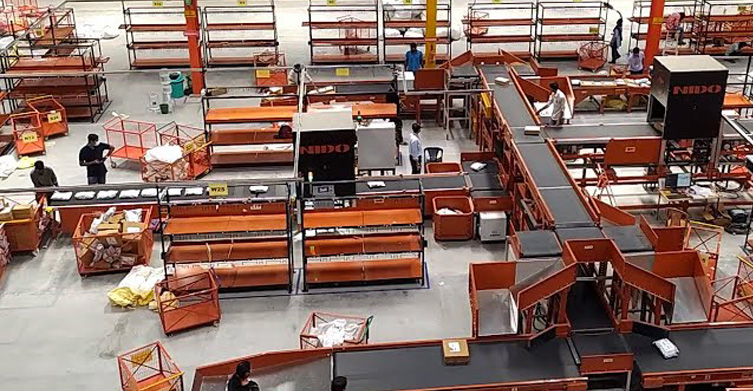
Warehouse automation has become an essential element of modern warehousing and distribution operations. The implementation of warehouse automation technologies can significantly improve efficiency, increase productivity, and reduce costs. In this article, we'll explore the benefits of warehouse automation and the latest trends in warehouse automation technology.
Improved Efficiency
Warehouse automation technologies, such as automated storage and retrieval systems (AS/RS), conveyor systems, and robotics, can streamline warehouse operations and reduce manual labor. By automating repetitive tasks, such as picking, packing, and sorting, warehouse automation can improve efficiency and accuracy while reducing errors and the risk of injury.
Increased Productivity
Automation can help increase productivity by reducing the time needed to perform tasks and improving inventory management. With real-time data and analytics, warehouse managers can make informed decisions and optimize warehouse operations to reduce downtime and improve throughput.
Reduced Costs
One of the most significant benefits of warehouse automation is cost reduction. With automation, warehouse managers can reduce labor costs, improve inventory accuracy, and reduce the risk of product damage. Automation can also help optimize warehouse space and reduce the need for additional storage facilities.
Latest Trends in Warehouse Automation Technology
There are several exciting trends in warehouse automation technology that are transforming the industry. One such trend is the use of autonomous mobile robots (AMRs) for picking and material handling. These robots can navigate autonomously and perform repetitive tasks, such as transporting goods and picking orders, without the need for human intervention.
Another trend is the use of automated guided vehicles (AGVs) for material handling. These vehicles can be programmed to navigate through warehouses and perform tasks, such as moving pallets and transporting goods, without human intervention.
Warehouse automation also includes the use of artificial intelligence (AI) and machine learning (ML) to optimize warehouse operations. With real-time data and analytics, warehouse managers can use AI and ML to improve inventory management, optimize routing and scheduling, and reduce downtime.
Conclusion
Warehouse automation is no longer a luxury, but a necessity for modern warehousing and distribution operations. The benefits of warehouse automation are clear, including improved efficiency, increased productivity, and reduced costs. By implementing the latest trends in warehouse automation technology, warehouse managers can transform their operations and stay ahead of the competition.
Improved Efficiency
Warehouse automation technologies, such as automated storage and retrieval systems (AS/RS), conveyor systems, and robotics, can streamline warehouse operations and reduce manual labor. By automating repetitive tasks, such as picking, packing, and sorting, warehouse automation can improve efficiency and accuracy while reducing errors and the risk of injury.
Increased Productivity
Automation can help increase productivity by reducing the time needed to perform tasks and improving inventory management. With real-time data and analytics, warehouse managers can make informed decisions and optimize warehouse operations to reduce downtime and improve throughput.
Reduced Costs
One of the most significant benefits of warehouse automation is cost reduction. With automation, warehouse managers can reduce labor costs, improve inventory accuracy, and reduce the risk of product damage. Automation can also help optimize warehouse space and reduce the need for additional storage facilities.
Latest Trends in Warehouse Automation Technology
There are several exciting trends in warehouse automation technology that are transforming the industry. One such trend is the use of autonomous mobile robots (AMRs) for picking and material handling. These robots can navigate autonomously and perform repetitive tasks, such as transporting goods and picking orders, without the need for human intervention.
Another trend is the use of automated guided vehicles (AGVs) for material handling. These vehicles can be programmed to navigate through warehouses and perform tasks, such as moving pallets and transporting goods, without human intervention.
Warehouse automation also includes the use of artificial intelligence (AI) and machine learning (ML) to optimize warehouse operations. With real-time data and analytics, warehouse managers can use AI and ML to improve inventory management, optimize routing and scheduling, and reduce downtime.
Conclusion
Warehouse automation is no longer a luxury, but a necessity for modern warehousing and distribution operations. The benefits of warehouse automation are clear, including improved efficiency, increased productivity, and reduced costs. By implementing the latest trends in warehouse automation technology, warehouse managers can transform their operations and stay ahead of the competition.
GET A QUOTE
Tell us about your business requirement, one of our technical expert will be in touch with you soon..!
PROCEED
NEW PRODUCTS ALERTS