Selective Racking System
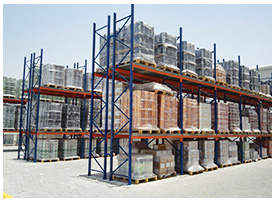
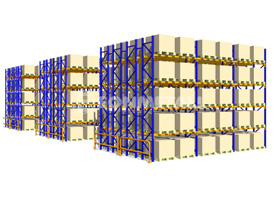
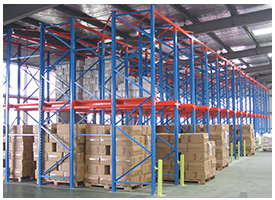
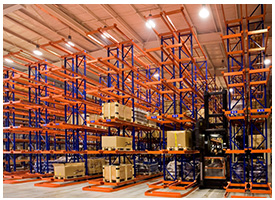
The Selective Racking System is a commonly implemented pallet storage arrangement in Omani warehouses and logistics facilities. It enables direct access to each pallet position, supporting efficient handling of varied goods. Used in industrial stores, ports, and commercial distribution operations, the system assists with organized stock placement and retrieval. Typical installations support pallet loads from 500 kg up to 3,000 kg per level, with adjustable configurations suited to Oman’s industrial and port-linked storage requirements.

The structure works efficiently with commonly used forklifts and warehouse trucks across Omani industrial zones. Frame heights are selected based on roof clearance and handling equipment reach, while beam levels can be repositioned as inventory profiles change. Typical system heights range between 5 m and 10 m, with pallet depths aligned to standard regional pallet sizes. Its modular nature supports future extensions or aisle reconfiguration, making it suitable for long-term warehouse planning in Oman.
Key Features
- Single-deep pallet storage for straightforward access
- Adjustable beam positioning for changing load profiles
- Compatible with standard warehouse forklifts
- Clear visibility of stock at all rack levels
- Frame sizes adaptable to building constraints
- Optional rack protection for high-traffic zones
- Standardized components for easy reconfiguration
- Designed for steady throughput warehouse operations
Selective Racking System
Brochure | Quotation | Availability
Fill the form with valid details to receive the information.

Frequently Asked Questions
Selective racking is widely used in Omani warehouses supporting retail distribution, spare parts storage, and port-linked logistics. Facilities in Muscat and Sohar often apply this system where consistent pallet access and simple stock organization are required across varied product categories.
For port-related warehouses, selective racking allows quick pallet placement and retrieval without rearranging loads. This supports faster inbound and outbound movement, which is important for Oman’s regional distribution activities where shipment turnaround time and stock visibility are operational priorities.
Engineers assess floor load capacity, slab flatness, and roof clear height before finalizing rack design. In Oman, older warehouses may require additional anchoring or layout adjustments to ensure rack stability and safe load distribution across the storage area.
Yes, selective racking systems are modular and allow beam levels to be repositioned as pallet heights or inventory profiles change. This flexibility is valuable for Omani warehouses handling seasonal goods or transitioning between different product lines over time.
Routine checks for corrosion, impact damage, and loose anchors are recommended, particularly in coastal or humid areas such as Salalah. Regular housekeeping around rack bases also helps prevent moisture buildup and supports long-term structural reliability.


Customer Testimonials
GET A QUOTE
Tell us about your business requirement, one of our technical expert will be in touch with you soon..!
NEW PRODUCTS ALERTS