Double Deep Racking System
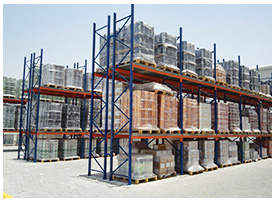
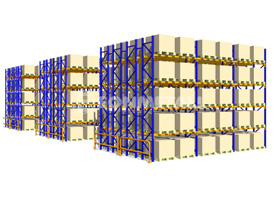
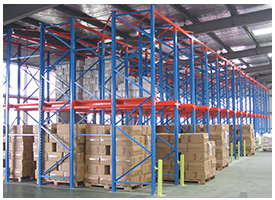
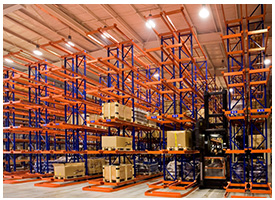
The Double Deep Racking System is a space-efficient pallet storage arrangement used in Omani warehouses and regional distribution facilities to maximize storage volume. By storing pallets two-deep per rack face, it supports higher capacity storage where SKU variety is limited. The system typically accommodates pallet loads from 800 kg to 2,200 kg and is operated using reach trucks with extended fork travel, making it suitable for industrial and port-linked storage environments in Oman.
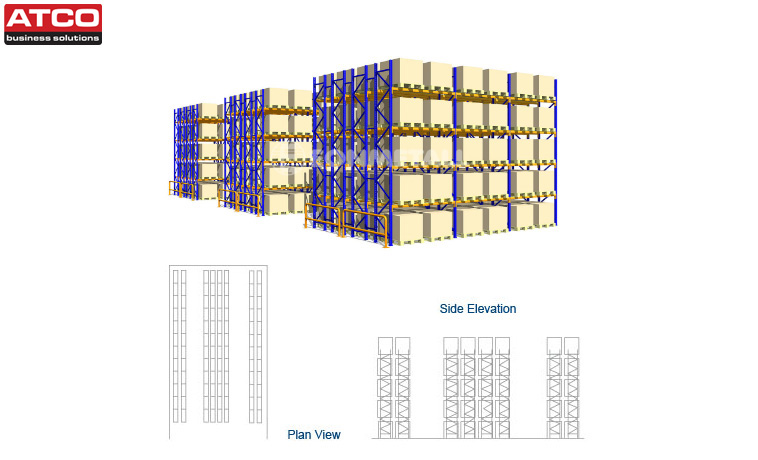
The system integrates into daily operations through planned pallet sequencing and consistent stock profiles. Rack heights typically range between 6 m and 10 m, depending on building structure and equipment reach. Rear pallet access requires precise truck alignment, making operator training and aisle discipline important operational considerations. This racking approach suits medium-to-large volume storage where inventory movement patterns are predictable, offering a balanced solution for Omani industrial and logistics environments.
Key Features
- Two-deep pallet storage for improved space usage
- Reduced aisle requirements compared to single-deep racks
- Operated using reach trucks with extended fork reach
- Best suited for consistent pallet sizes and SKUs
- Rack heights adapted to warehouse roof limits
- Designed for stable pallet stacking and retrieval
- Anchored frames for operational safety
- Expandable layout for future capacity planning
Double Deep Racking System
Brochure | Quotation | Availability
Fill the form with valid details to receive the information.
Frequently Asked Questions
In Oman, double deep racking is used where pallet volume is high and access frequency is predictable. Warehouses supporting Muscat and Sohar distribution routes apply this system to increase capacity while maintaining organized storage for import and regional redistribution.
The system works best with consistent pallet sizes and limited SKU variation. Omani warehouses storing packaged goods, spare parts batches, or consolidated shipments benefit from the reduced aisle requirement and stable pallet stacking configuration.
Engineers assess roof height, floor flatness, and slab load capacity before design. In some Oman facilities, rack heights are limited to 6–9 meters to align with structural conditions, ensuring safe forklift operation and stable rack anchoring.
Accessing the rear pallet requires precise fork alignment and depth control. In Oman, operator training is important to reduce pallet damage and maintain consistent retrieval speed, especially in warehouses with mixed experience levels.
In locations such as Salalah, routine inspection for corrosion, anchor loosening, and base plate condition is recommended. Keeping rack bases clear of moisture and debris helps maintain long-term structural reliability in humid operating environments.
Customer Testimonials
GET A QUOTE
Tell us about your business requirement, one of our technical expert will be in touch with you soon..!
NEW PRODUCTS ALERTS