Stealth Pipeline Metal Detector
The Stealth Pipeline Metal Detector is a pipeline-mounted inspection system used to monitor liquids and pastes during pumped transfer. It is applied in food manufacturing plants and industrial processing lines where product moves through sealed pipework. The system supports metal contamination prevention by inspecting product flow without interrupting production. It accommodates defined pipe sizes and operates reliably across pressure-driven flow conditions. The Stealth Pipeline Metal Detector is widely specified for industrial food processing operations across Saudi Arabia.

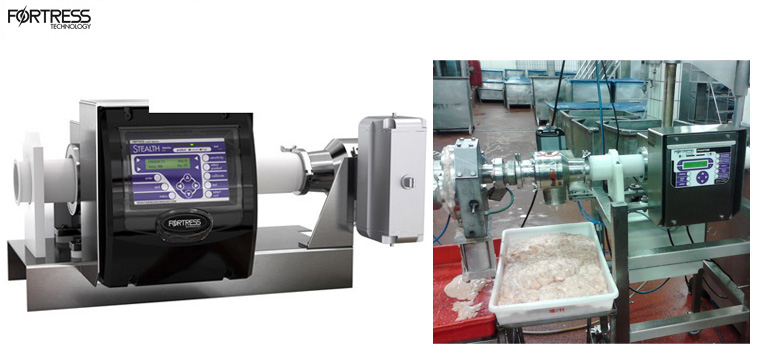
In Saudi production plants operating in Riyadh and Jeddah, the system is often positioned between processing vessels and filling machines, or downstream of cooking and mixing stages. It connects using hygienic pipe fittings and supports common pipeline diameters used in large-scale food plants. Throughput is governed by pump capacity rather than conveyor speed, allowing consistent inspection even at high production volumes.
Automatic rejection is achieved using a diverter valve that isolates contaminated product into a separate discharge line. The detector’s robust design supports frequent washdown and continuous operation, aligning with quality and safety requirements in high-output KSA food factories.
Halo Automatic Testing System for Metal Detectors
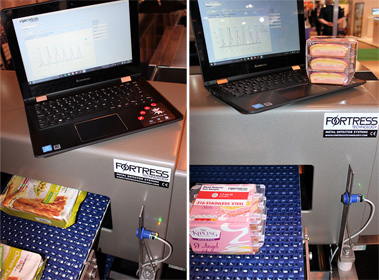
Halo is suitable for any Fortress metal detector; ideally added at the point of manufacture, it can however, be added to some existing systems.
BROCHURE
- Saves Time and Money
- Automatic, Accurate and Consistent Testing at Programmable Intervals
- Decreases Frequency of Manual Testing
- Reproduces Ferrous, Non-Ferrous and Stainless Steel metal sample signal
- Detector Testing at a button push
- Test speed with Halo set to match belt speed in conveyor applications
- Front, Middle, and Back of Product Testing with Conveyor Applications
- Externally Operated System
- Multiple Custom Test Levels
- Eliminates Workplace Safety Risks
- Reduces Machine Downtime/Testing Time
- Negates Human Error
- System Set-Up in Minutes
- Tamper Proof
- Detailed Data Collection and Reports with Contact Reporter Software are Compliant with HACCP & GFSI Requirements
Key Features
- Pipeline inspection for liquid, paste, and semi-fluid food products
- Continuous detection without interrupting pumped flow
- Compatible with hygienic pipe systems used in food plants
- Operation suited to pressure-driven and temperature-variable processes
- Diverter valve rejection for contaminated product removal
- Construction designed for regular washdown procedures
- Event and fault logging for quality audits
- Secure access controls for operational settings
Stealth Pipeline Metal Detector
Brochure | Quotation | Availability
Fill the form with valid details to receive the information.
Product Videos
Frequently Asked Questions
Many Saudi factories process liquids and pastes in high volumes using closed pipe systems. In locations such as Riyadh and Jeddah, pipeline detectors allow inspection without opening the process, supporting hygiene control while maintaining the continuous throughput required by large-scale operations.
The system is designed for pressure-driven applications where pumps control product movement. In Saudi plants, stable pressure and properly sized pipes help maintain consistent inspection. Correct mechanical integration prevents stress on seals and ensures reliable long-term operation.
Product viscosity affects flow behavior rather than detection itself. Sauces, dairy blends, and meat slurries can all be inspected effectively if flow remains steady. Saudi processors often fine-tune pump speed to balance throughput and detection reliability.
Integration is usually done using hygienic pipe fittings between processing stages. In facilities around Dammam or Jubail, engineering teams plan installation during shutdown windows to ensure alignment, grounding, and valve timing match the existing production layout.
Key considerations include pressure isolation during maintenance, secure mounting of the detector body, and safe routing of reject lines. Saudi factories typically include the detector within lockout and isolation procedures used for pumps and process equipment.
Detection events and test results are recorded through the system interface and reviewed during quality checks. Many Saudi facilities document these records per shift or batch to support internal audits and regulatory inspections.



Customer Testimonials
GET A QUOTE
Tell us about your business requirement, one of our technical expert will be in touch with you soon..!
NEW PRODUCTS ALERTS