Stealth Large Bag Metal Detector
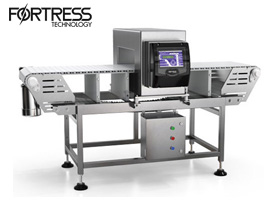
The Stealth Large Bag Metal Detector is an inline metal detection system developed for inspecting large, filled bags used in bulk food and ingredient packaging. It is applied in factories and logistics facilities where heavy sacks pass through conveyors before storage or shipment. The system supports metal contamination prevention by maintaining sensitivity despite product volume and bag thickness. It is suitable for high-capacity bag lines handling weights up to 50 kg and wide belt formats. The Stealth Large Bag Metal Detector is widely specified for industrial food operations across Saudi Arabia.


In Saudi production sites located in Riyadh and Dammam, the detector is often placed downstream of bagging stations and upstream of palletizing systems. Conveyor design supports heavy sacks without belt deformation, while aperture sizing is selected based on bag footprint rather than height alone. Typical installations support consistent throughput aligned with automated bagging lines used in large factories.
Reject systems may divert contaminated bags for manual review without stopping the line. The detector’s stable operation and inspection logging align with quality assurance and traceability practices used in high-output KSA food manufacturing and distribution facilities.
Key Features
- Inline metal detection for large filled bags and sacks
- Designed for high-weight bag handling on reinforced conveyors
- Detection stability maintained across dense product loads
- Aperture sizing based on bag dimensions and belt width
- Integration with bagging and palletizing workflows
- Automated reject capability for non-compliant bags
- Inspection data storage for audit and review purposes
- Industrial enclosure suitable for factory environments
Stealth Large Bag Metal Detector
Brochure | Quotation | Availability
Fill the form with valid details to receive the information.
Product Videos
Frequently Asked Questions
Saudi factories often process high volumes of dry ingredients in large sacks for domestic use and export. In locations such as Riyadh and Dammam, large bag detectors allow inspection of filled sacks without opening packaging, supporting hygiene and traceability in large-scale production.
The detector operates inline with reinforced conveyors designed for heavy loads. In high-output Saudi plants, conveyor speed is synchronized with bagging equipment to maintain inspection consistency without becoming a bottleneck in continuous production flows.
Selection is based on bag dimensions, weight, and product density. Saudi engineering teams typically prioritize wide belt support, minimal aperture clearance, and stable tracking to balance detection performance with mechanical durability.
Rejected bags are diverted to a defined area for inspection or rework. In facilities around Jubail or Khobar, this process is often integrated into material handling workflows to avoid disrupting palletizing or outbound logistics operations.
Yes, it is designed for continuous operation when properly maintained. Saudi plants running multiple shifts typically schedule inspection checks and cleaning during planned downtime to maintain consistent detection performance.
Inspection events, test results, and reject records are commonly logged and reviewed during audits. Many Saudi food manufacturers maintain these records per batch or shift to meet internal quality and regulatory requirements.



Customer Testimonials
GET A QUOTE
Tell us about your business requirement, one of our technical expert will be in touch with you soon..!
NEW PRODUCTS ALERTS