Stealth In-Foil Metal Detector
The Stealth In Foil Metal Detector is a conveyor-based inspection solution developed for food products packed in aluminum foil or foil trays. It is commonly used in industrial food factories where packaging material interferes with conventional detection systems. The equipment supports metal contamination control by isolating ferrous and selected metal fragments during production flow. It accommodates defined belt widths and inspection apertures matched to packaged product dimensions. The Stealth In Foil Metal Detector is widely specified for food processing operations across Saudi Arabia.

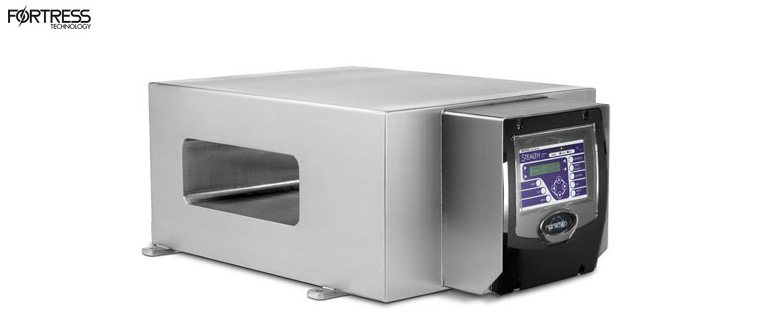
In Saudi factories located in Riyadh and Jeddah, the system is typically positioned after sealing and before cartoning or case packing. It integrates with existing conveyor infrastructure and operates reliably across consistent belt speeds set by upstream packaging equipment. Aperture selection is based on pack width and height, ensuring stable inspection without unnecessary sensitivity loss.
The system supports automatic rejection through pneumatic or mechanical reject devices, allowing contaminated units to be removed without line stoppage. Its stable performance under continuous operation aligns with quality assurance requirements in large-scale KSA food manufacturing and logistics hubs.
Key Features
- Inspection system for aluminum foil and foil-based packaging formats
- Signal filtering optimized for foil effect reduction
- Conveyor-mounted configuration for packaged food lines
- Selectable aperture sizes to suit packaged product profiles
- Consistent operation at fixed production belt speeds
- Integration with inline reject mechanisms
- Internal event and fault logging for audits
- Industrial enclosure suitable for factory environments
Stealth In-Foil Metal Detector
Brochure | Quotation | Availability
Fill the form with valid details to receive the information.
Frequently Asked Questions
Many Saudi factories use aluminum trays and foil seals for ready meals and processed foods. In facilities around Riyadh and Jeddah, in-foil metal detection allows inspection after sealing, ensuring contamination is identified without interference from packaging materials in high-throughput environments.
The system operates inline with conveyor movement and does not require product stoppage for inspection. In Saudi plants running continuous shifts, consistent belt speed and proper reject timing allow contaminated units to be removed without slowing upstream or downstream equipment.
Aperture size is selected based on pack width and height rather than weight. In Saudi facilities, minimizing excess aperture clearance improves detection stability while reducing false rejects, especially on mixed product lines with varying tray sizes.
Yes, provided belt speed remains consistent and packs are evenly spaced. High-output lines in Dammam or Jubail typically focus on mechanical stability and conveyor tracking to ensure reliable inspection rather than pushing speed beyond recommended limits.
Performance verification is carried out using certified ferrous and non-ferrous test samples introduced under controlled conditions. Saudi quality teams often document these checks at shift changes or scheduled intervals to meet internal and regulatory audit requirements.
Common risks include poor conveyor alignment, vibration near the detector head, or incorrect grounding. Saudi engineering teams typically ensure rigid mounting and stable product flow to prevent signal noise that could affect long-term detection consistency.



Customer Testimonials
GET A QUOTE
Tell us about your business requirement, one of our technical expert will be in touch with you soon..!
NEW PRODUCTS ALERTS