Capping Machines (Economy Series)
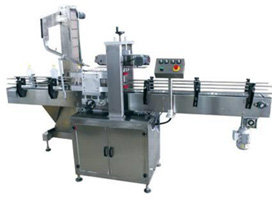
Economy Series Capping Machines are entry-to-mid level bottle capping systems developed for cosmetic and personal care manufacturing lines across Saudi Arabia. These machines support reliable cap fastening using clamp-based or torque-controlled mechanisms, making them suitable for standardized production workflows. They are commonly applied in factories requiring stable throughput, handling container sizes from 100 to 1000 ml, with output levels reaching up to 5,000 bottles per hour depending on cap format and operating speed.

In Saudi industrial zones such as Riyadh and Dammam, these machines are used within cosmetic and hygiene production plants where controlled capping performance and line stability are required. The system connects seamlessly with automatic fillers and downstream packaging equipment, allowing synchronized operation across the line.
Operating parameters typically include bottle volumes from 100 to 1000 ml and compressed air pressure ranges around 0.4 to 0.6 MPa. Production rates are influenced by cap type and bottle stability but commonly fall between 3,000 and 5,000 units per hour. The machine structure supports continuous operation with controlled noise output, making it suitable for extended manufacturing shifts in Saudi facilities.
Technical Specifications
| Model | AXF-102 |
| Applied bottle range | 100-1000ml |
| Applied cap size | Customized, for different size, need to change cap vibrator and feeding tunnel |
| Yield of capping | >=99% |
| Power Supply | 220V 50HZ |
| Power Consumption | <=2KW |
| Pressure | 0.4-0.6Mpa |
| Speed Control | Frequency Convertion |
| Single machine noise | <=70Db |
| Weight | About 850kg |
| Dimension(LxWxH) | 2000x1100x2600(mm) |
| Production Capacity | 3000-5000 bottles/h |

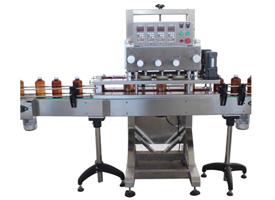
Automatic Single Head Screw Capping Machine
Applied bottle range: 100-1000ml (Customization Available)Applied cap size: 20-120mm (Customization Available)
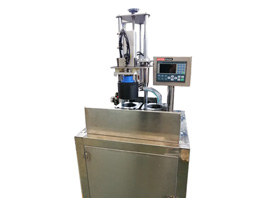
Collaring & Crimping Machine
The Collaring & Crimping Machine For Perfume Bottle is a kind of clamping type cap closing machine. It is suitable for cap closing of spray type caps. The machine uses the clamp to close the cap and fasten it on the edge of bottle mouth. The whole machine is composed of the machine body, table surface, clamping device and pneumatic control system
Key Features
- Clamp-based capping system for secure cap fastening
- Adaptable cap feeding tunnel for different cap sizes
- High capping yield under standard production conditions
- Frequency conversion speed control for line matching
- Supports cosmetic and personal care bottle formats
- Moderate footprint for integration into existing lines
- Controlled noise level suitable for factory environments
- Designed for continuous industrial operation
Capping Machines (Economy Series)
Brochure | Quotation | Availability
Fill the form with valid details to receive the information.
Frequently Asked Questions
In Saudi Arabia, these machines are selected for their balance between output capacity and mechanical simplicity. Factories in Riyadh and Dammam use them where reliable cap fastening is required without the complexity of fully rotary or high-speed servo systems.
They perform consistently when configured correctly, especially for standardized bottle and cap formats. In Saudi production lines, throughput is typically optimized to match upstream filling speeds, allowing steady operation without excessive mechanical stress.
The machines are commonly used for screw caps and spray pump caps. Facilities in Jeddah and Jubail often process multiple SKUs, adjusting cap feeders and clamping components to suit different cap dimensions used in domestic and export products.
The mechanical structure and controlled pneumatic system allow continuous running with minimal downtime. Saudi factories operating extended shifts benefit from the machine’s stable torque application and low noise levels, which reduce operator fatigue.
Operators should monitor cap alignment, ensure guards remain in place, and verify air pressure stability. In Saudi industrial environments, routine checks help prevent misfeeds that could interrupt high-volume production schedules.
Changeover typically involves adjusting guides, replacing cap feeding components, and verifying clamping alignment. Saudi plants usually schedule these changes during planned downtime to maintain line efficiency across multiple product formats.

Customer Testimonials
GET A QUOTE
Tell us about your business requirement, one of our technical expert will be in touch with you soon..!
NEW PRODUCTS ALERTS