Stealth In-Foil Metal Detector
The Stealth In Foil Metal Detector is designed to inspect food products packaged in aluminum foil during conveyor transport. It is used in food processing plants where foil packaging limits the effectiveness of standard metal detectors. The system supports contamination prevention by identifying metal fragments without reacting to foil material. It is suitable for defined conveyor widths and controlled belt speeds used in packaged food handling. The Stealth In Foil Metal Detector is commonly applied in food manufacturing facilities across Oman.

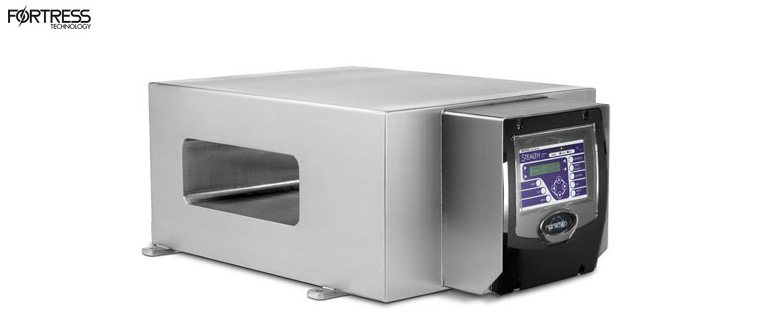
In Omani facilities operating in Muscat and Sohar, the system is installed after sealing and labeling stages, where final product integrity checks are required. It is mounted onto conveyor systems with belt speeds matched to upstream packing equipment. Aperture sizing is selected to closely match product dimensions, supporting consistent detection while minimizing false rejects.
The detector connects to automated reject systems that remove affected packs into secure bins. Its stable operation and straightforward setup support quality assurance processes in regional production and distribution environments.
Key Features
- Metal detection system for foil-wrapped and foil-sealed food products
- Designed to operate effectively with aluminum packaging present
- Inline conveyor installation for packaged food inspection
- Aperture sizing based on packaged product dimensions
- Stable detection at controlled conveyor speeds
- Automatic reject system compatibility
- Inspection data recording for traceability
- Construction suited for indoor food processing areas
Stealth In-Foil Metal Detector
Brochure | Quotation | Availability
Fill the form with valid details to receive the information.
Frequently Asked Questions
In Oman, the system is commonly applied in packaged food lines handling foil-sealed meals, frozen products, or wrapped items. Facilities in Muscat and Sohar often install it after sealing and labeling stages as a final contamination control step.
Yes, it is well suited for small to medium-scale lines where consistent inspection is required without complex mechanical systems. Omani plants often value its straightforward integration and stable performance over extreme throughput capability.
Detection accuracy depends on maintaining a stable belt speed that matches system configuration. In Omani operations, sudden speed changes or irregular pack spacing can affect reject timing, so conveyor control is an important part of reliable inspection.
It can operate effectively in indoor processing areas within industrial zones, including those near ports such as Sohar. However, it should be protected from excessive humidity, salt exposure, or airborne contaminants common in open port environments.
Daily operation typically involves monitoring status indicators, handling rejected packs, and reporting faults if alarms occur. In many Omani plants, operators manage the system as part of standard line checks without requiring specialist technical intervention.
Inspection records are usually reviewed during routine quality meetings or audits. Omani processors often align record checks with batch changes or export documentation requirements to support traceability and compliance across regional supply chains.



Customer Testimonials
GET A QUOTE
Tell us about your business requirement, one of our technical expert will be in touch with you soon..!
NEW PRODUCTS ALERTS